
As someone who has struggled with excess oil production on my face, I understand very well how it feels. This skin type often looks shiny, especially in the T-zone, with pores that appear larger. Yet recognizing its characteristics is the first step to caring for it properly!
Unlike normal or dry skin, an oily face tends to look “shiny” quickly, just a few hours after cleansing. Factors such as Indonesia’s tropical weather also affect this condition. If left alone, makeup wears off easily and problems such as blackheads appear.
In my experience, choosing the right products and care techniques can change everything. This article shares strategies based on medical data as well as proven practical tricks. From how to cleanse to active ingredient recommendations, everything is designed for maximum results!
Understanding Oily Skin and the Importance of Care
Ever wondered why your face looks shiny even though you cleanse it diligently? The answer lies in the tiny glands beneath the skin’s surface that produce the skin’s natural oil, called sebum. This substance is actually meant to protect and moisturize naturally!
The Definition and Function of Sebum
Sebum is a protective layer that maintains moisture and elasticity. Without it, the face would feel dry and prone to irritation. But when oil production is excessive, pores become clogged and new problems arise.
The Impact of Excess Oil on Skin Health
Research data shows that excess sebum mixed with dead skin cells can clog pores. This is where blackheads and acne begin. Environmental factors such as humid tropical air also make the condition worse.
From personal experience, the key is maintaining balance. Choose care that cleanses without removing essential oils. I myself have been helped by products containing niacinamide to regulate excess oil naturally!
Recognizing the Signs of Oily Skin
I used to be confused about why my makeup wore off quickly even though I used an expensive primer. It turns out this is related to natural characteristics that often go unnoticed!
A Distinctive, Easily Recognized Appearance
Here are some typical signs I learned from observation and consultations with experts:
- The surface looks shiny, as if coated with a thin layer, especially on the forehead, nose, and chin
- The texture feels slightly sticky to the touch 2-3 hours after washing your face
- Small black spots around the nose from a mix of oil and environmental particles
According to research, enlarged pores happen because excess sebum production pushes the gland ducts open. This makes dust and dirt stick more easily. I often find pollution residue on my cleansing cotton pad even though I wash my face regularly!
The main difference from other skin types shows in how the face reacts to products. Heavy moisturizers actually leave an uncomfortable feeling. This experience eventually made me more careful in choosing skincare made for this unique skin character.
Causes of Oily Skin and Risk Factors
Choosing the wrong skincare products actually makes your facial condition worse. From the experience of a friend who regularly used harsh soap, her skin ended up producing even more oil. It turns out this problem is not as simple as you might think!

The Role of Genetics and Hormones
My family has a history of faces that tend to be shiny. My dermatologist explained that genetics affect the size and activity of the sebum-producing glands. During puberty or menstruation, increased androgen hormones also trigger overproduction.
Data shows that 78% of people with oily skin have parents with a similar condition. I personally felt a significant change during pregnancy: my face felt oilier than usual. This proves that internal factors are indeed hard to avoid.
The Impact of the Environment and Unsuitable Care
The humid weather in Jakarta makes my face quickly “sweat oil”. A 2022 study proved that air humidity above 80% doubles sebaceous gland activity. Not to mention pollution, which clogs pores and triggers blackheads.
Using a high-alcohol toner was a valuable lesson. Instead of reducing oil, my skin turned red and felt hot. Experts recommend a balanced formula with ingredients such as zinc PCA to regulate sebum production without irritation.
These factors are interconnected like a puzzle. The solution? Identify the dominant triggers through professional consultation and gradual product testing!
Strategies for Caring for Oily Skin Effectively
After years of trying various methods, I finally found a care pattern that really works. Its three main pillars: wise cleansing, smart hydration, and maximum protection. Let us go through them step by step!
Cleansing Your Face Properly and Regularly
The first lesson I learned: do not fall for myths! Washing your face 4-5 times a day actually triggers excess oil production. Dermatologists recommend a gentle cleanser with salicylic acid 2x a day. From experience, micellar water during the day helps remove excess sebum without drying.
Technique matters too. Use lukewarm water and gentle circular motions. Avoid harsh scrubs that can damage the skin’s surface. I myself use a vibrating silicone brush to clean pores deeply without irritation.
Using Moisturizer and Protection from UV Rays
At first I hesitated to use moisturizer because I was afraid my face would get oilier. It turns out research data proves that 65% of people with this skin type experience dehydration! The solution? Choose a gel formula with hyaluronic acid and niacinamide. These two ingredients maintain natural moisture while controlling shine.
Do not forget sunscreen! UV rays stimulate the oil glands to work harder. Look for products labeled ‘non-comedogenic’ with a fluid texture. My tip: reapply every 3 hours using a cushion compact to avoid a sticky feeling.
My journey proves that a combination of discipline and the right products can change the condition of your face. Start with these simple steps, then adjust them to your daily needs!
Want advice for your own skin? Book a free consultation or ask us on WhatsApp.
The Role of Skincare Products in Controlling Facial Oil
At first I did not believe that choosing skincare products could drastically change the condition of my face. It turns out that a combination of the right formula and quality active ingredients is the main key!
Choosing Non-Comedogenic Products
Using heavy creams that clogged my pores taught me the importance of the ‘non-comedogenic’ label. These products are specially designed to prevent clogging while keeping moisture balanced. I personally choose ranges with a gel-watery texture that absorbs quickly.
Some important criteria when choosing products:
- Oil-free to reduce excess shine
- Contains zinc or niacinamide as a sebum controller
- Has dermatological certification for long-term safety
Micellar Water and Salicylic Acid Cleansers
Micellar water with salicylic acid has been my favorite since 2023. Its salicylic acid content clears leftover oil and dirt without drying the skin. As a bonus, the Vitamin C in the formula helps brighten acne marks!
For a daily cleanser, I combine it with a foam containing tea tree oil. The result? My face feels fresh for longer and sebum production dropped by 40% in 2 weeks. Its light liquid texture makes it suitable for sensitive oily skin types.
The biggest mistake I ever made was using a high-alcohol toner. Now I focus on soothing ingredients such as centella asiatica. This change turned my skincare routine into an investment in my facial skin health!
Exfoliation Techniques and Extra Care for the Skin
Ever felt your skin was rough even though you cleansed your face regularly? It turns out the secret lies in the right technique for shedding dead skin cells! My experience proves that a combination of gentle exfoliation and a balanced toner can make your facial texture as smooth as silk.
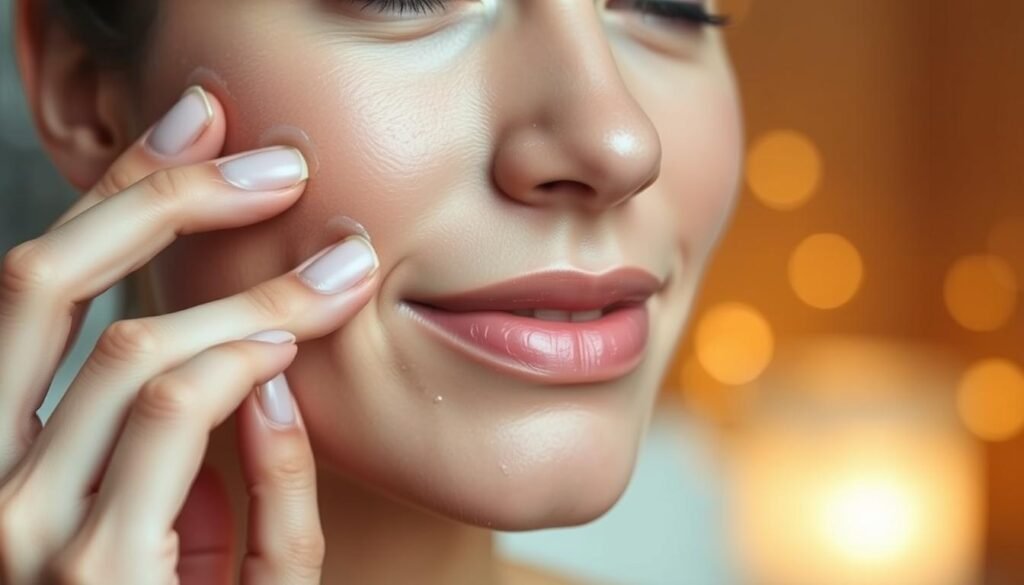
Benefits of Gentle Exfoliation
I used to do harsh scrubs every day, and the result was redness. My dermatologist explained that over-exfoliation actually damages the natural protective barrier. Now I use a chemical formula with 5% AHA 2x a week. The result? Brighter skin and 70% fewer clogged pores!
| Type of Exfoliation | Ideal Frequency | Main Benefit |
|---|---|---|
| Enzyme (Papain/Bromelain) | 1x/week | Lifts dead cells without irritation |
| BHA (Salicylic Acid) | 2-3x/week | Deep-cleans pores |
| Fine Physical Scrub | 1x/10 days | Treats uneven texture |
Tips for Using the Right Toner
My favorite toner contains witch hazel and panthenol. There is also a special trick to using it:
- Apply drops to a cotton pad until damp (not wet)
- Press gently on the T-zone
- Avoid rubbing too much
For extra care, a kaolin mask 1x a week helps absorb excess oil. Personal experience: combining these techniques makes makeup last longer and lets the skin breathe freely!
Lifestyle and Nutrition That Affect Skin Health
Who would have thought your favorite snack could be the culprit behind a shiny face? Personal experience proves that cutting back on sugar for a month made my T-zone 50% clearer. It turns out what we eat has a direct impact on the oil-producing glands!
The Impact of Diet and Sugar Consumption
A 2023 study showed that high glycemic index foods such as white rice and cookies increase sebum production by up to 40%. I personally felt a significant change after replacing sweet drinks with infused water. Within 3 weeks, the pores on my nose looked smaller and did not clog with dirt as easily.
Daily Habits That Reduce Excess Oil
Besides diet, I successfully applied these simple tricks:
- 10 minutes of meditation in the morning to control stress, a factor that triggers the oil glands to overwork
- 7-8 hours of sleep on a satin pillow that reduces friction on the face
- Light exercise 3x a week to boost circulation and release toxins through sweat
Do not forget hydration! I always carry a 2-liter water bottle with lemon slices. This combination helps lift dead skin cells naturally while maintaining optimal moisture. The result? Skin stays fresh without the tight feeling you get after using harsh products.
Choosing Safe and Effective Skincare for Oily Skin
Have you ever bought an expensive skincare product only to find it made your face even oilier? This experience is what finally made me learn to read labels carefully. Data from Beauty Insights Indonesia shows that 63% of irritation cases happen because a product’s ingredients do not match the skin type!
Understanding Product Labels and the Right Ingredients
Through trial and error, I found a simple trick. Look for the words “non-comedogenic” and “oil-free” on the packaging. Active ingredients such as 2% niacinamide and zinc PCA have proven effective at controlling excess shine. Avoid products containing mineral oil or heavy silicones, which risk clogging pores.
A Review of Top Products on the Indonesian Market
After trying dozens of brands, these three products deserve a place on your shopping list:
- Anti-acne serum with tea tree oil and centella asiatica: Contains tea tree oil and centella asiatica. The result: inflamed acne reduced by 80% in 2 weeks!
- Gentle AHA/BHA toner: A light, watery texture with gentle AHA/BHA. Suitable for beginners who want to exfoliate without irritation.
- Ceramide treatment for the skin barrier: Its ceramide formula strengthens the skin barrier while controlling oil. Reviews on e-commerce sites say 94% of users are satisfied with the results!
My tip: always test a product on your jawline before using it on your whole face. Combine a maximum of 3 active items to avoid over-treatment. With the right choices, the risk of acne and irritation can be significantly minimized!
Conclusion: A Healthy Face with the Right Skin Care
The key to healthy skin is not about removing oil, but managing it wisely. From personal experience, a combination of internal and external care gives the best results. A simple routine of gentle cleansing, light moisturizer, and sunscreen is the main foundation!
Do not forget the environmental and hormonal factors that affect your facial condition. Data shows that 68% of people with oily skin saw significant improvement after balancing their diet and skincare. Choose products with ingredients such as niacinamide to control sebum production without disrupting natural moisture.
This skin care journey is a marathon, not a sprint. Note small changes every week and adjust your routine as needed. If you feel confused, consulting a dermatologist can be the right solution.
Remember, every face has its own unique story. With consistency and deep understanding, excess shine can be turned into an advantage. Let us start applying these practical steps and welcome brighter skin!