Have you ever felt uncomfortable because of redness or itching on your face? This condition can be a sign of irritation that needs attention. Factors such as UV exposure, chemicals in products or a sensitive skin condition can trigger the problem1.
Using the wrong products or poor hygiene can also be a cause. For example, a soap with anti-bacterial ingredients such as Lifebuoy Mild Care can help reduce this risk1. It is important to choose products that suit your skin type.
This article discusses effective solutions to deal with this problem. By understanding the causes and how to care for your skin, you can keep your face in optimal health. Let’s begin this journey together!
Recognising the Causes and Symptoms of Facial Skin Irritation
Sun exposure and chemicals can have a bad effect on the face. These factors are often the main cause of the discomfort you experience. Let’s look at them in more detail.
Causes from Products and Environmental Exposure
Using beauty products that contain harsh chemicals, such as synthetic fragrances or alcohol, can trigger problems on the face2. In addition, excessive UV exposure also carries a risk of redness and itching3.
Indonesia’s hot and humid tropical weather also contributes to more cases2. Air pollution and intense sunlight can damage your face’s protective barrier.
Signs and Symptoms of Irritated Skin
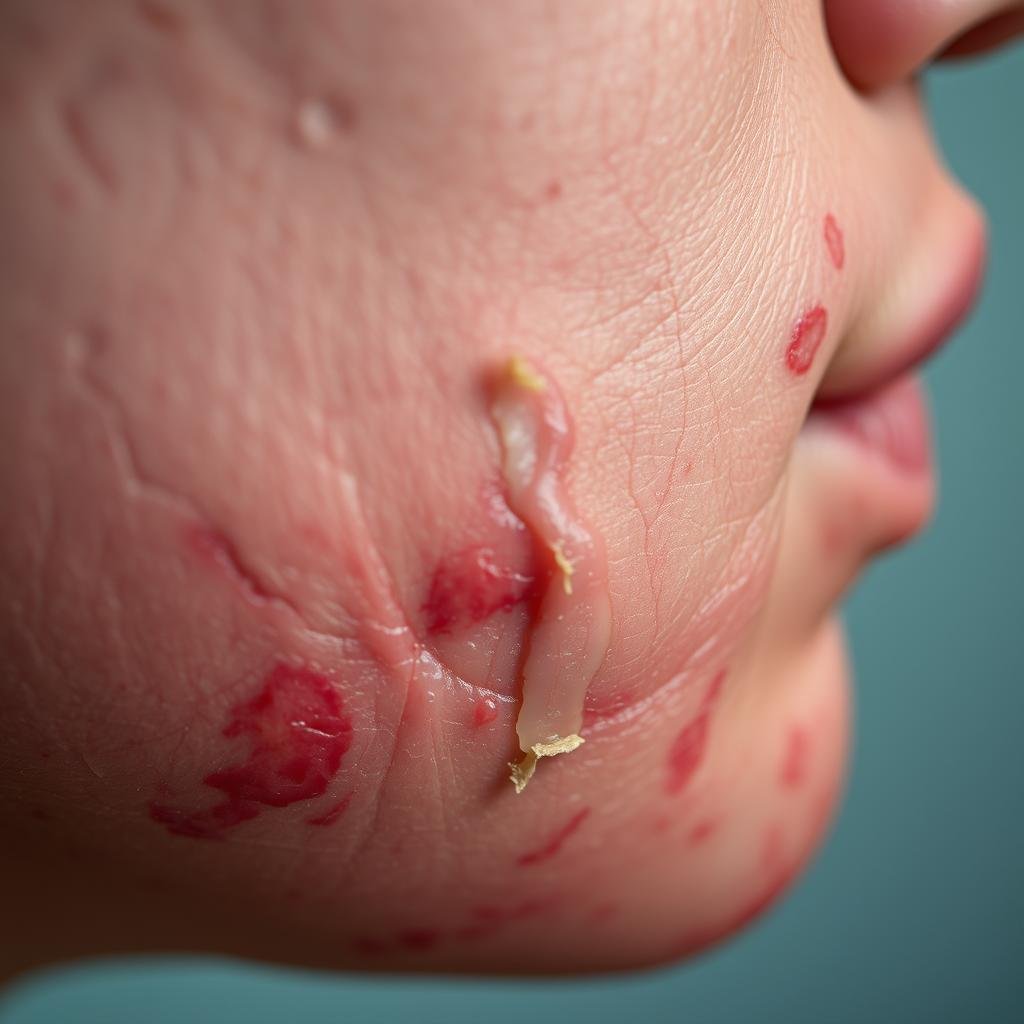
The symptoms can vary from mild to serious. Redness, itching and a stinging sensation are early signs that are often seen2. In more severe cases, the skin can peel or even blister.
Here is a table summarising the causes and symptoms you should watch out for:
| Cause | Symptoms |
|---|---|
| Chemicals in beauty products | Redness, itching, stinging sensation |
| Excessive sun exposure | Peeling skin, itching, redness |
| Air pollution | Dry skin, mild irritation |
By recognising these causes and symptoms, you can take the right preventive steps. Always pay attention to the products you use and protect your face from excessive sun exposure.
Tips for Choosing Safe Skincare Products
Choosing the right skincare products can be a challenge, especially if you have a particular skin type. Many people feel confused by the sheer number of options on the market. Yet unsuitable products can cause problems such as allergies or rashes4.

Choosing Non-Irritating and Hypoallergenic Products
For sensitive or dry skin, non-irritating and hypoallergenic products are the best choice. These products are designed to reduce the risk of negative reactions such as redness or itching. Make sure the products you choose are free from synthetic fragrances, parabens and harsh chemicals5.
Here are some tips for choosing safe products:
- Look for a “hypoallergenic” or “non-comedogenic” label.
- Avoid products with very strong fragrances.
- Do a small patch test before regular use4.
Why Understanding Cosmetic Ingredients Matters
Understanding the ingredients in skincare products is very important. Some ingredients, such as alcohol or sulphates, can cause dry skin or irritation. On the other hand, natural ingredients such as ceramides and jojoba oil can strengthen the skin’s protective barrier5.
Here are the ingredients you should pay attention to:
- Ceramides: Help maintain moisture and reduce skin damage.
- Retinol: Effective for anti-ageing care.
- SPF: Important for protecting against UV rays and preventing premature ageing6.
By understanding these ingredients, you can choose products that suit your needs and skin type. Always check for BPOM (Indonesian FDA) registration to make sure a product is safe5.
How to Treat Facial Skin Irritation
An uncomfortable condition on the face can be treated with simple steps at home. From using the right products to consulting an expert, there are many ways to deal with this problem.
Easy Home Care
You can start by using hydrocortisone cream to reduce redness and itching. This product is effective for mild symptoms and easy to find at pharmacies7.
Keeping your face moisturised is also very important. Use a moisturiser containing ceramides or natural ingredients such as jojoba oil to strengthen the protective barrier8.

A cold compress can also relieve heat and itching. Simply soak a towel in cold water and place it on the affected area7.
Here are some additional steps you can try:
- Avoid scratching with your hands to prevent further damage.
- Use a high-SPF sunscreen to protect against UV exposure8.
- Drink enough water to keep your body and skin hydrated.
When to See a Dermatologist
If the symptoms do not improve after a few days, consult a doctor right away. Conditions such as severe redness or blisters require proper medical treatment7.
A dermatologist can prescribe stronger medication, such as corticosteroid creams or antihistamines, to reduce inflammation and itching8.
Don’t put off a consultation if your symptoms are getting worse. Early treatment can prevent complications and speed up healing.
Closing Message for a Healthy, Glowing Face
Looking after your overall health is the key to a glowing appearance. By understanding the causes and symptoms that may appear, you can take the right preventive steps9. Environmental factors such as weather and exposure to certain substances also need attention to minimise the risk.
Choose products that are safe and suit your needs. Natural ingredients such as ceramides and jojoba oil can help maintain moisture and protect against damage10. Keeping your body hydrated and eating healthy food also has a positive effect on your appearance.
Don’t forget to protect yourself from direct UV exposure and pollution, which can damage the protective barrier11. With these simple steps, you can stay healthy and enjoy a glowing look every time you care for yourself.
FAQ
What are the common causes of facial skin problems?
Facial skin problems are often caused by using unsuitable products, excessive sun exposure or certain chemicals that trigger negative reactions.
How do I recognise the signs of a skin problem on my face?
The signs include redness, itching or a rash. If you experience these symptoms, stop using the product you suspect is the cause.
How do I choose safe skincare products?
Choose products labelled non-irritating or hypoallergenic. Always check the ingredient list and avoid substances that may trigger negative reactions.
What can I do at home to deal with facial skin problems?
Use a light moisturiser, avoid direct sun exposure and keep your face clean with gentle products. If it does not improve, consult a doctor right away.
When should I see a doctor?
If the symptoms do not improve after home care, or come with pain and swelling, see a dermatologist promptly for further treatment.