Have you ever felt self-conscious because of a skin problem? Jerawat batu, known as cystic acne, is often the enemy of many people. This type of acne not only affects your appearance but can also cause discomfort and even pain.
Cystic acne falls into the severe category because it can cause infection and inflammation. Large bumps filled with pus are often hard to treat without the help of a doctor. Knowing the causes and how to treat it is the first step towards getting healthy skin again.
According to data, around 85% of people may experience cystic acne during their lifetime, especially in their teens and adulthood1. Proper treatment is very important to prevent this condition from getting worse. This article provides complete information to help you understand and treat cystic acne effectively.
Introduction: Understanding Cystic Acne
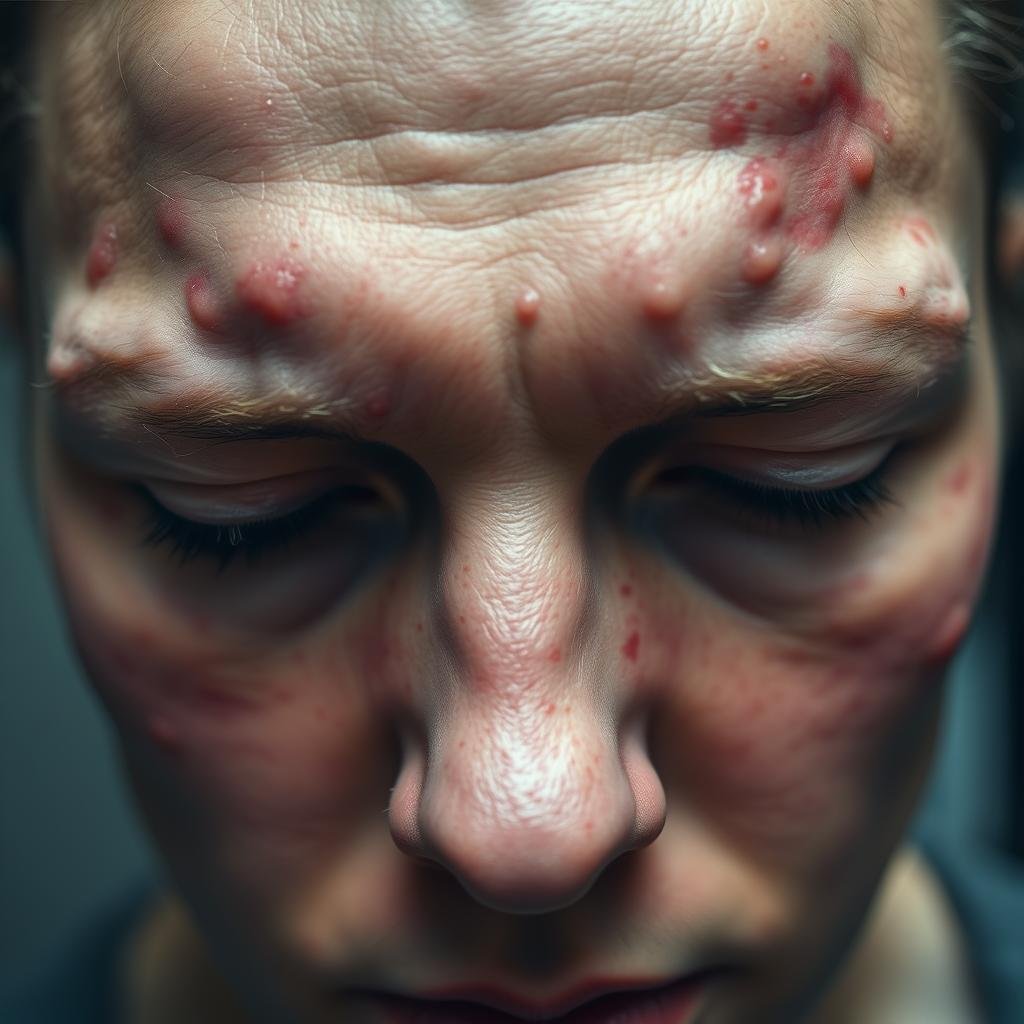
Certain skin conditions can be a big challenge for your appearance and self-confidence. One problem people often face is jerawat batu, also known as cystic acne. This type falls into the severe category because it causes inflammation and large bumps filled with pus.
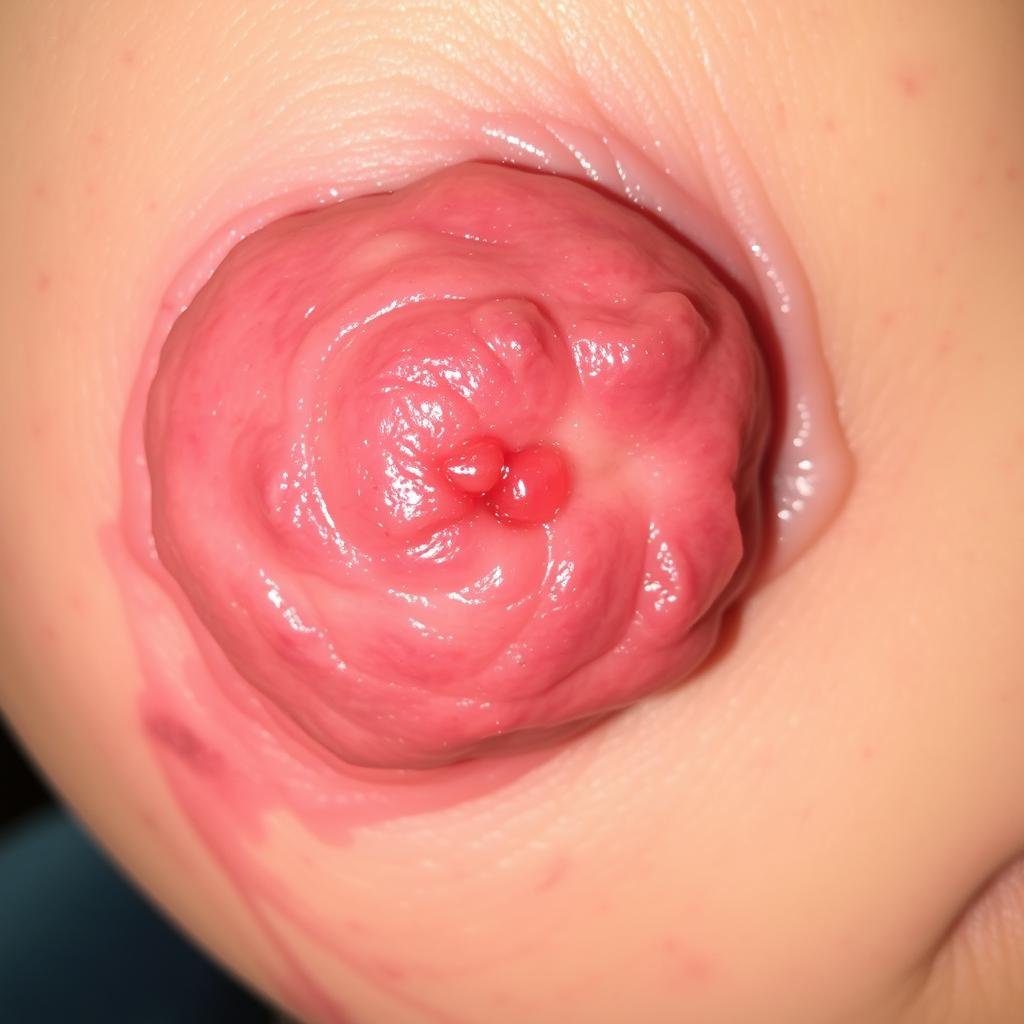
Cystic acne appears as a result of clogged pores and bacterial infection. This condition not only affects your appearance but also your mental health. According to data, around 85% of people experience this problem, especially in their teens and adulthood2.
What Is Cystic Acne?
Cystic acne is a type of acne that is deeper and more inflamed than other types. The bumps that form are usually large, hard and painful. This condition often needs treatment from a doctor to prevent marks that are hard to fade.
The Impact of Cystic Acne on Appearance and Self-Confidence
This problem affects not only the skin but also self-confidence. Many people feel embarrassed and withdraw from social activities because of their appearance. According to research, 36.4% of women receive negative comments because of their skin condition3.
| Type of Acne | Characteristics | Impact |
|---|---|---|
| Ordinary Acne | Small, not inflamed | Mild effect on appearance |
| Cystic Acne | Large, inflamed, painful | Reduced self-confidence |
This information is meant to help you understand the importance of proper treatment. Consulting a dermatologist can be the first step to dealing with this problem effectively.
The Types and Characteristics of Cystic Acne
Understanding the types and characteristics of a particular skin problem can help you deal with it more effectively. One that often draws attention is jerawat batu, known as cystic acne. This type has different characteristics from ordinary acne.

Definition and Distinctive Features
Cystic acne is a type of acne that is deeper and more inflamed. The bumps that form are usually large, hard and filled with pus. They often take the form of nodules or cysts that are hard to treat4.
The process begins when dead skin cells clog the pores. This allows bacteria to grow and triggers inflammation. Cystic acne can also leave dark or red marks if not treated properly5.
“Cystic acne often occurs in teenagers, women and adults with hormonal imbalances.”
Who Is Prone to It?
The group most prone to cystic acne is teenagers with oily skin. However, adults with hormonal changes can also experience it4.
Other factors that increase the risk include using oil-based cosmetics and smoking. Both can damage skin cells and trigger inflammation5.
By understanding its characteristics and who is at risk, you can take the right preventive steps. Consulting a dermatologist is also recommended for more effective treatment.
Causes of Cystic Acne: Risk Factors and Main Causes
Many factors can affect skin condition, both internal and external. One problem that often arises is a skin disorder caused by a combination of several things. Let’s discuss this further.

Excess Oil and a Build-up of Dead Skin Cells
Excess oil production in the skin can be a major trigger. This oil, together with dead skin cells, can clog pores and create an ideal environment for bacteria to grow6.
When pores are clogged, inflammation occurs. This causes the large, painful bumps typical of this condition7. Cleansing your face regularly can help reduce this risk.
Hormonal Changes and Genetic Factors
Hormonal changes, especially in teenagers and women, can increase oil production. The rise in androgen hormones during puberty is one example6.
In addition, genetic factors also play a role. If your parents have a history of skin problems, you may be more prone to them7. Knowing your family history can help you take preventive steps.
Your diet also has an influence. Foods high in sugar and fat can make skin conditions worse. On the other hand, a balanced diet with vegetables and fruit can help keep your skin healthy8.
How to Get Rid of Cystic Acne Effectively
Treating severe skin problems requires the right, consistent approach. There are several methods you can try, from simple treatments to advanced medical therapies. Here is a full explanation.
Topical and Oral Treatments
Topical treatments such as benzoyl peroxide and salicylic acid are effective at cleaning pores and reducing inflammation9. These medications work by removing dead skin cells and preventing bacterial infection. In addition, retinoids can also be used to prevent sebum blockages10.
For more severe cases, a doctor may prescribe oral medication such as antibiotics or isotretinoin. Antibiotics help treat bacterial infection, while isotretinoin reduces excess oil production9. However, these medications must be used under a doctor’s supervision to avoid side effects.
Medical Therapies and Advanced Treatments
If ordinary treatment does not give results, medical therapy can be the solution. Some options include:
- Laser therapy: Helps reduce inflammation and scarring.
- Microdermabrasion: Removes the layer of dead skin to speed up regeneration.
- Corticosteroid injection: Flattens large bumps within 24 hours10.
These therapies are usually performed by a dermatologist and need several sessions for optimal results. Make sure you consult a doctor before choosing one of these methods.
Treating severe skin problems is certainly not easy, but with the right treatment, you can get healthier skin. Don’t hesitate to seek medical help if the condition does not improve.
Skin Care Tips for Acne Recovery
Caring for your skin after a particular problem needs extra attention and the right routine. Recovery is not only about dealing with the existing problem, but also about preventing new ones. With the right routine, you can keep your skin healthy and glowing.
Recommended Care Routine
A consistent daily routine is the key to keeping your skin healthy. Start by cleansing your face twice a day with a gentle cleanser. This helps remove dirt and excess oil that can clog pores11.
After cleansing, use a moisturiser that suits your skin type. A moisturiser helps maintain the skin’s natural moisture and prevents dryness. Don’t forget to use sunscreen every day, even when it is cloudy12.
“Healthy skin starts with the right routine and suitable products.”
Choosing Products That Suit Your Skin Type
Choosing the right products is very important to avoid irritation and other skin problems. Make sure the products you use are non-comedogenic, meaning they do not clog pores. Products such as tea tree oil and salicylic acid are very effective at reducing inflammation and preventing infection11.
Here is a comparison of several types of products you can consider:
| Type of Product | Benefits | Use |
|---|---|---|
| Tea Tree Oil | Antibacterial and anti-inflammatory | Reduces inflammation |
| Salicylic Acid | Cleans pores | Prevents blockages |
| Non-Comedogenic Moisturiser | Moisturises without clogging | Keeps skin moisturised |
Also, make sure you always wash your hands before touching your face. This helps prevent dirt and bacteria from transferring to your skin9.
With the right routine and suitable products, you can achieve optimal skin health. Don’t hesitate to consult a dermatologist if you need further advice.
Want advice for your own skin? Book a free consultation or ask us on WhatsApp.
A Healthy Lifestyle to Deal with Cystic Acne
Maintaining a healthy lifestyle has a big impact on your skin health. One of the main keys is managing stress well. Excessive stress can trigger excess oil production, which worsens skin conditions13.
In addition, looking after your overall body health is also important. Good metabolism helps the skin stay healthy and avoid problems. Teenagers, who often experience hormonal changes, need to pay more attention to this14.
The food you eat also has a big influence. Choose nutritious foods such as fruit, vegetables and whole grains. Avoid foods high in sugar and fat that can worsen skin conditions15.
“Healthy skin starts with a balanced, regular lifestyle.”
Regular exercise can also help prevent skin problems from coming back. Physical activity improves blood circulation and helps flush toxins from the body13. In addition, non-medical therapies such as meditation or yoga can be an option to reduce stress and maintain hormonal balance.
Here are some healthy habits you can adopt:
| Healthy Habit | Benefits |
|---|---|
| Eating nutritious food | Supports skin health |
| Regular exercise | Improves blood circulation |
| Meditation or yoga | Reduces stress |
By adopting a healthy lifestyle, you can not only get rid of skin problems but also prevent them from coming back. Start with small, consistent steps for optimal results.
Professional Treatment and Medical Intervention
When home care is not enough, seeking professional help can be the best solution. Consulting a dermatology doctor is an important first step for an in-depth evaluation. They can help determine the cause and the right type of treatment for your condition16.
In some cases, hormone therapy may be needed to address the imbalances that trigger skin problems. This therapy can help regulate oil production and reduce inflammation17. In addition, systemic or topical medication is often recommended as part of the treatment.
If inflammation and infection do not improve, medical interventions such as laser therapy or microdermabrasion can be an option. These procedures are effective at reducing scarring and improving skin texture16. Steroid injections are also often used to flatten large bumps in a short time.
“The right medical treatment can prevent skin conditions from getting worse and help speed up recovery.”
In addition, it is important to manage stress as part of a holistic approach. Excessive stress can worsen skin conditions by increasing oil production17. A combination of medical treatment and stress management will give more optimal results.
Here are some commonly used clinical procedures:
- Laser therapy: Stimulates collagen production and reduces scarring.
- Microdermabrasion: Removes the layer of dead skin to speed up regeneration.
- Steroid injection: Flattens large bumps within 24 hours16.
During treatment, make sure you use products that are safe and suit your skin type. Consult a doctor to get the right recommendations. With the right medical approach, you can deal with skin problems effectively and prevent them from coming back.
Preventing Cystic Acne on the Face and Body
Preventing severe skin problems can start with simple steps. One of the main keys is keeping your face and surroundings clean. Cleansing your face twice a day can help prevent clogged pores18.
In addition, avoid touching your face with dirty hands. Unclean hands can carry bacteria and dirt that trigger inflammation19. Use a facial cleanser that suits your skin type for optimal results.
“Hygiene is the first step in preventing more serious skin problems.”
Looking after personal items such as pillowcases and phones is also important. Change your pillowcase regularly and clean your phone with antibacterial wipes to reduce the risk of infection1.
Here are some healthy habits you can adopt:
| Habit | Benefits |
|---|---|
| Cleansing your face twice a day | Prevents clogged pores |
| Avoiding touching with dirty hands | Reduces the risk of infection |
| Changing pillowcases regularly | Keeps skin clean |
Diet also plays an important role in prevention. Eating nutritious foods such as vegetables and fruit can help reduce the risk of skin inflammation19. Avoid foods high in sugar and fat that can worsen skin conditions.
By following these steps, you can prevent cystic acne from coming back. Prevention is the key to keeping your skin healthy and glowing.
Closing: Next Steps Towards Healthy Skin
Keeping your skin healthy is an important step towards greater self-confidence and quality of life. By understanding your skin’s condition, you can take the right steps to care for it. Consistency in your daily routine and choosing suitable products are the key to healthy skin20.
If you have a particular problem, don’t hesitate to consult a dermatology doctor. They can provide solutions tailored to your needs, including hormone therapy if necessary21. Professional treatment can help reduce inflammation and prevent more serious infection.
In addition, it is important to maintain hygiene and avoid risk factors that can worsen your skin condition. With the right care, your skin cells can recover and grow back healthily. Start with small steps today for better skin in the future.
FAQ
What is cystic acne?
Jerawat batu is a type of cystic acne that appears as large, hard bumps beneath the surface of the skin that are often painful. This condition is caused by bacterial infection and inflammation in clogged pores.
Who is prone to cystic acne?
Teenagers and young adults often experience this problem because of hormonal changes. However, anyone with oily skin, genetic factors or an unhealthy lifestyle is also at higher risk.
What are the main causes of cystic acne?
The main causes include excess oil production, a build-up of dead skin cells, hormonal changes and genetic factors. Stress and an unhealthy diet can also worsen this condition.
How do you treat cystic acne?
You can use topical treatments such as benzoyl peroxide or antibiotics. For severe cases, a doctor may prescribe oral medication or medical therapies such as laser and extraction.
What skin care tips help prevent cystic acne?
Cleansing your face regularly, using non-comedogenic products and maintaining a healthy lifestyle, such as eating nutritious food and reducing stress, can help prevent this problem.
When should you consult a doctor?
If cystic acne does not improve after self-care or causes permanent scarring, consult a dermatologist straight away for further treatment.
Can cystic acne be prevented?
Yes, by keeping your skin clean, avoiding pore-clogging products and adopting a healthy lifestyle, the risk of cystic acne can be minimised.