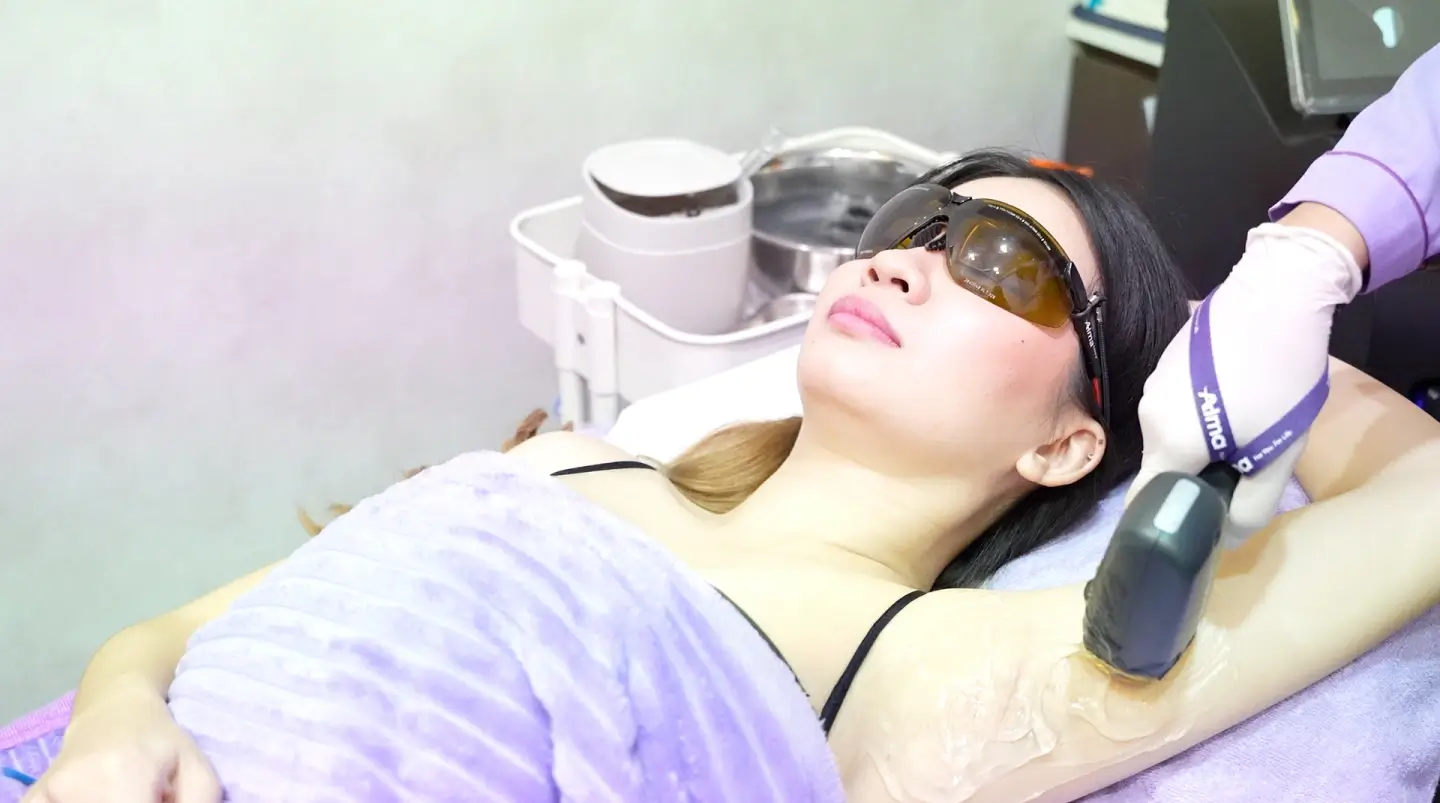
Sensitive skin and hair removal have always been a difficult combination. Most methods that work quickly also come with a side of redness, irritation, ingrown hairs, or worse. People with sensitive skin tend to cycle through options and end up settling for whatever causes the least damage rather than the best results. The good news is that better approaches are available now, and understanding what actually suits sensitive skin makes the decision much clearer.
This guide walks through the main hair removal methods, why some of them can cause problems for reactive skin, and why laser hair removal is a more suitable long-term option for people who have struggled with irritation in the past.
Daftar Isi
ToggleWhy Sensitive Skin Reacts Badly to Common Methods
Sensitive skin has a weaker barrier function than normal skin, which means it responds more intensely to friction, heat, chemicals, and physical trauma. Most conventional hair removal methods trigger at least one of those things.
Shaving drags a blade across the skin surface, which causes friction and often removes a thin layer of the outermost skin along with the hair. For people with reactive skin, this leads to redness, razor burn, and a higher likelihood of ingrown hairs because the blunt cut end of the hair can curl back into the skin. Shaving also causes the hair to regrow with a blunt tip, which feels coarser and appears darker, so the skin can end up looking worse even before any irritation sets in.
Waxing pulls hair from the follicle with force, which creates immediate trauma to the skin. For sensitive skin types, this can cause prolonged redness, broken capillaries, hyperpigmentation, and in some cases a histamine response that leaves the skin bumpy for days. Depilatory creams use chemical agents to dissolve the hair shaft, and these are particularly risky for sensitive skin because the same chemicals that break down hair can also disrupt the skin barrier and cause contact dermatitis.
IPL, often marketed as a gentler laser alternative, uses a broad spectrum of light at lower intensity. It requires many more sessions than laser (typically 20 to 40 compared to 5 to 8), and the broad wavelength means more of the surrounding skin tissue absorbs energy, which can cause more surface irritation, especially on sensitive or darker skin tones.
Why Laser Hair Removal Works Better for Sensitive Skin
Laser hair removal addresses the problem at the follicle level rather than at the surface. When the follicle is targeted with precision, the surrounding skin does not need to absorb any of the energy, which is why a well-calibrated laser system produces far less surface irritation than shaving, waxing, or IPL.
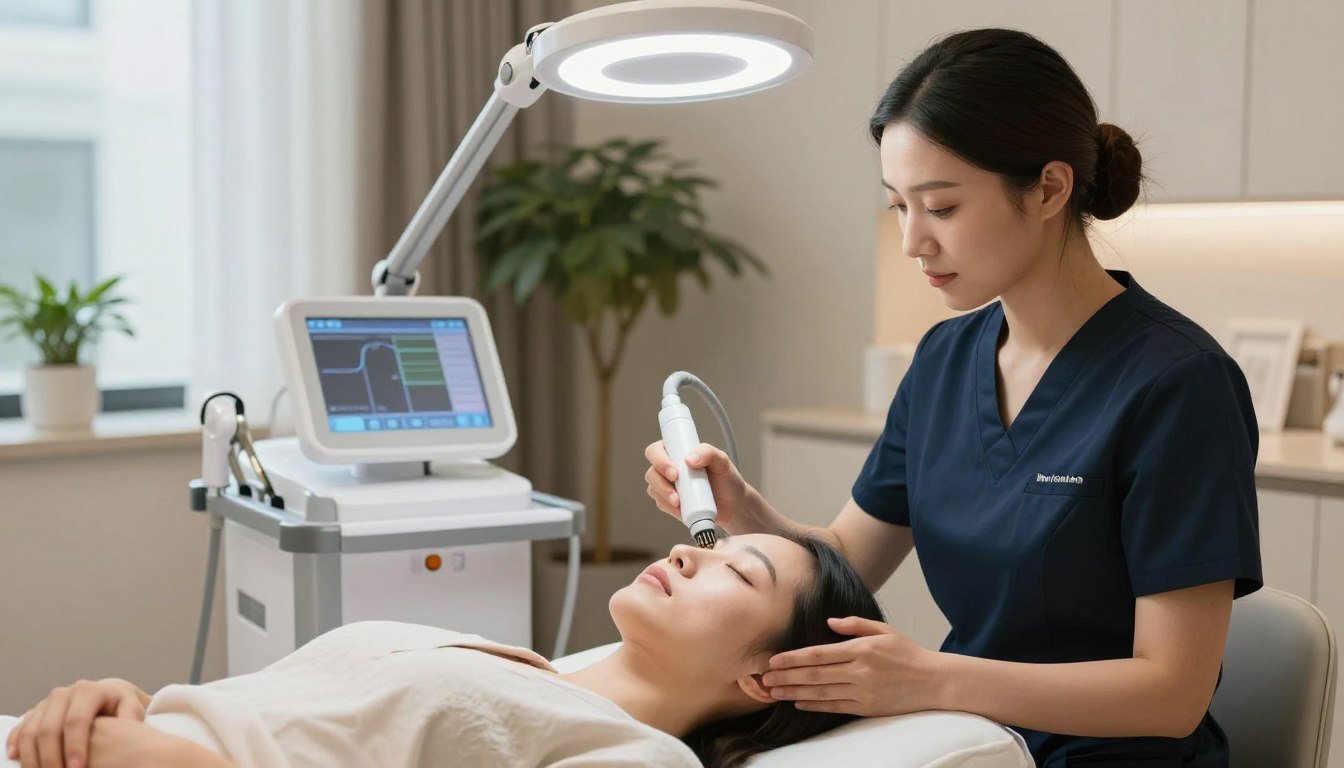
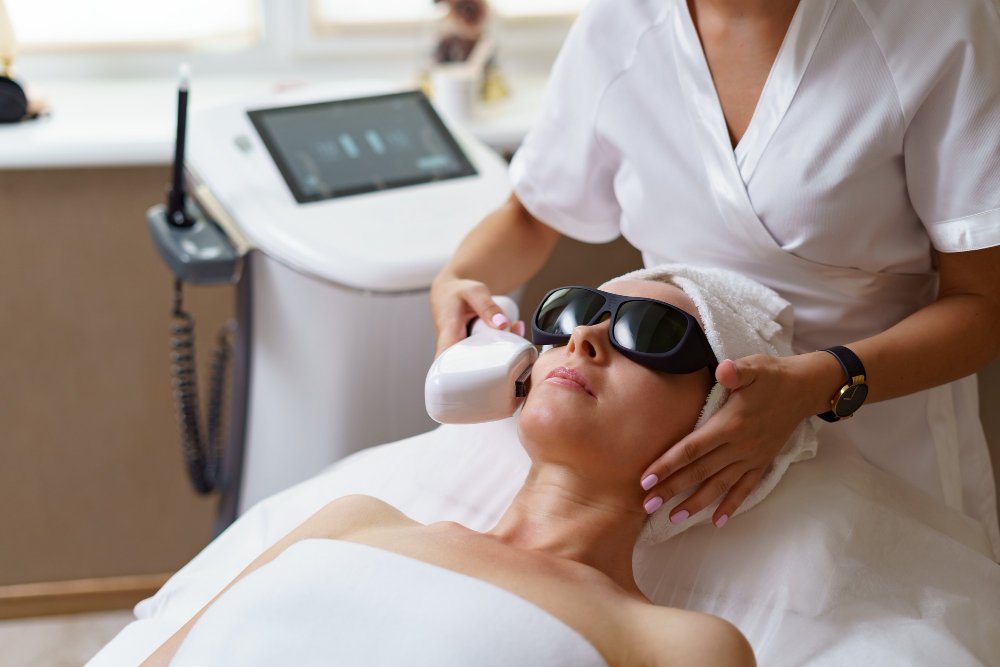
The key variable is the laser technology being used. At De-Hair, the ALMA Laser Diode system operates at a wavelength of 864 nm, which penetrates to the depth of the follicle without creating unnecessary heat at the skin surface. The IN Motion protocol delivers energy gradually rather than in a single high-intensity pulse, which keeps the skin cooler throughout the session. An integrated cooling mechanism reinforces this, so even people who have had bad experiences with other treatments tend to find the sensation manageable, typically described as warmth rather than pain.
Because the treatment goes after the follicle rather than the surface, there is no friction, no chemicals, and no physical pulling. Redness after a session tends to be mild and usually fades within a few hours. For people with sensitive skin, this is a meaningful difference from the multi-day recovery that waxing can sometimes require.
What to Expect from the Treatment Process
Laser hair removal for sensitive skin follows the same structure as it does for other skin types. Most patients at De-Hair complete five to eight sessions, spaced four to eight weeks apart. The spacing matters because the laser is most effective on hairs in the active growth phase, and not all hairs are in that phase simultaneously. Working through the cycle over several sessions ensures that each follicle gets treated at the right moment.
Results build gradually. After the first two sessions, hair tends to come back thinner and less dense. By sessions three through five, regrowth becomes noticeably sparse. By the end of the full course, most people see a permanent reduction of 80 to 95 percent. The hair that does return is typically fine and light, and for most people, it is not something they notice or need to manage.
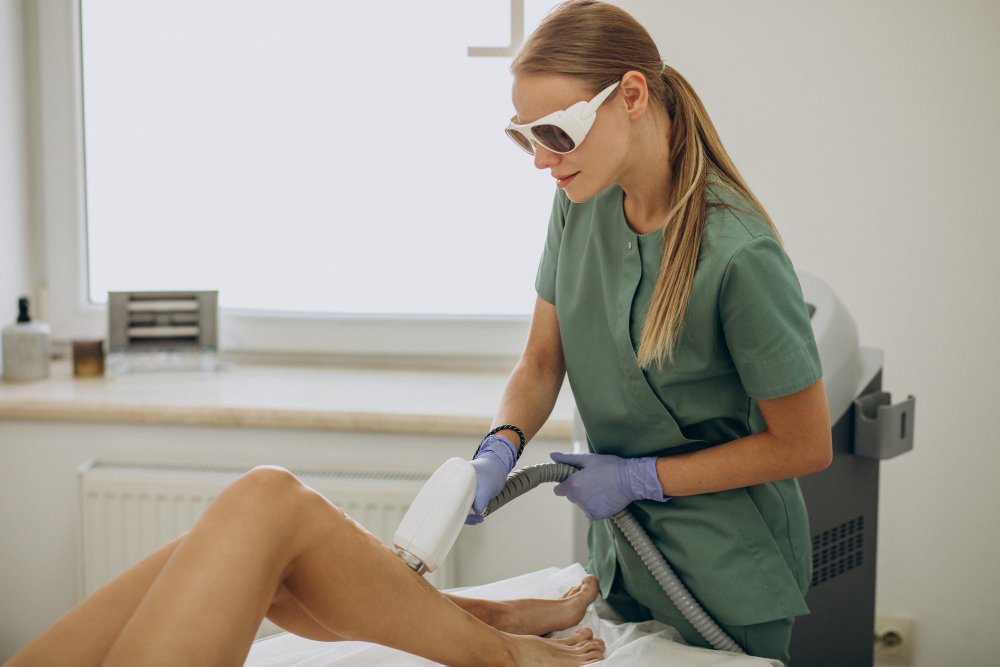
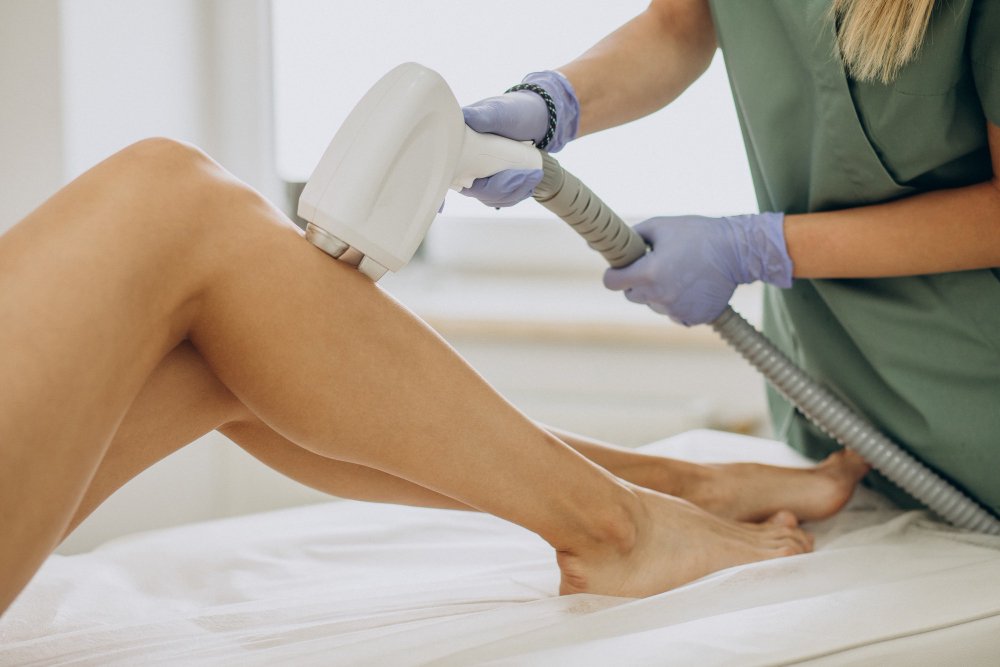
Session times are short. Areas like the upper lip or underarms take five to fifteen minutes. Larger areas like the legs or back take twenty to thirty minutes. There is no downtime after treatment, which means normal activities can resume immediately.
Choosing the Right Clinic for Sensitive Skin
For people with sensitive skin, the choice of clinic matters as much as the choice of method. A clinic that uses lower-grade equipment or does not calibrate treatments individually can cause the same irritation problems that other methods produce, even with laser technology.
De-Hair has been operating in Jakarta for over 14 years and is the pioneer of ALMA Laser technology in Indonesia. Treatments are performed by certified medical doctors and licensed nurses, not beauticians. The clinic runs on medical-grade standards, which include proper skin assessment before treatment and appropriate calibration based on each patient’s skin type and tone. All equipment is FDA-approved and sourced from the United States.
De-Hair has eight locations across Jakarta and Tangerang, including Gandaria City Mall, Mall of Indonesia, Central Park Mall, Kemang, Gunawarman, Pondok Indah, Gading Serpong, and Menteng. Several of these are open until 10 in the evening, which makes scheduling easier for people with busy routines.
Preparing for Treatment and Looking After Your Skin After
Before a laser session, the main things to avoid are sun exposure and any skin treatments that might sensitize the area further, such as exfoliants or retinoids. The skin should be clean and free of any products on the day of the appointment. Shaving the area a day or two before is recommended, since the laser needs to target the follicle rather than the hair shaft above the surface.
After treatment, the guidance is straightforward. Avoid direct sun for a few days, use sunscreen on treated areas when going outside, and skip waxing or plucking between sessions since these interfere with the follicle the next session needs to treat. Shaving between sessions is fine.
For sensitive skin types, it also helps to use a gentle, fragrance-free moisturizer on treated areas in the days following a session, since the skin can feel slightly dry or tight even when there is no visible irritation.
Common Questions About Laser and Sensitive Skin
Will the laser make my sensitive skin worse?
With a properly calibrated medical-grade system like ALMA Lasers, the risk of adverse reactions is very low. The precision of the wavelength and the IN Motion protocol mean the skin surface is not exposed to unnecessary heat. Most patients with sensitive skin find laser far less irritating than waxing or shaving over time.
Can I get laser treatment if my skin is currently irritated or inflamed?
It is best to wait until active irritation has settled before having a session. The clinic will assess your skin during the consultation and advise on timing based on your current condition.
Is a laser suitable for fair skin?
Yes. The ALMA system works effectively across all skin types and tones, including fair skin. The treatment parameters are adjusted based on individual skin and hair characteristics.
How soon after treatment can I use skincare products?
Gentle, unfragranced products can typically be used the same day. Products with active ingredients like acids or retinoids are best avoided for a few days after each session.
Making the Switch
For people with sensitive skin who have spent years managing irritation from shaving and waxing, laser hair removal at De-Hair offers a genuinely different experience. The technology is precise, the process is comfortable, and the results are lasting. Free doctor consultations with the medical team are available at de-hair.com/en/laser-hair-removal, where you can discuss your skin type and get a clear picture of what the treatment would involve before committing to anything.