
This is a non-invasive treatment that uses a broad spectrum of light to address various skin concerns. Many people choose this option because it can target sun damage, age spots, dark spots, redness, and uneven texture in one short procedure.
Unlike a laser, which focuses on a single wavelength, the light technology here works like a multifunctional therapy. Sessions are usually short, about 15-30 minutes, starting with cleansing, eye protection, and a cooling gel.
During the process, patients feel a light snap like a rubber band and warmth on the skin. Side effects are generally mild with minimal downtime, and results appear gradually because of the stimulation of collagen production.
The ideal candidate has light to medium skin, realistic expectations, and discipline with UV protection. This article explains the full procedure, the main indications, and how to minimise risk by choosing an experienced clinic and practitioner.
A quick overview: what IPL photofacial is and why it is popular now
This light treatment uses controlled flashes to target pigment and blood vessels, improving the overall appearance of the skin.
Pulsed light technology targets melanin and haemoglobin. This makes it suitable for concerns such as age spots, freckles, sun damage, redness, and uneven texture.
Core benefits
- Addresses many concerns at once without separate procedures.
- Results look natural and progressive rather than drastic.
- Short sessions, usually 15-30 minutes, so many people can return to their activities straight away.
A quick comparison with lasers
Unlike lasers, which use a single wavelength, this method emits a broad spectrum. That makes it more flexible for different targets in one visit.
| Aspect | Broad spectrum | Lasers |
|---|---|---|
| Target | Pigment & blood vessels at once | One specific target |
| Downtime | Minimal | Often longer |
| Number of sessions | Often more | Usually fewer |
IPL Photofacial: How It Works & Indications
Flashes of light energy target specific structures in the upper skin layers. Melanin and haemoglobin absorb the light energy and heat up in a controlled way. The body’s cells then eliminate the affected tissue through the natural healing process.

The mechanism in brief
The technology uses light pulses that select the target colour so pigment and vascular lesions are broken down without damaging healthy tissue. This heating also triggers a response that stimulates collagen production within 4-12 weeks.
Common indications
- Sun damage and superficial hyperpigmentation such as age spots and freckles.
- Redness from rosacea and superficial blood vessels.
- Uneven texture, fine lines, and acne marks that affect skin tone.
- The treatment can be adjusted by area; besides the face, it is commonly used on the neck, chest, and hands.
| Aspect | Target | Time to results |
|---|---|---|
| Pigment | Melanin (spots, age spots) | Weeks: the area darkens and then fades |
| Vascular | Haemoglobin (redness, blood vessels) | A few weeks, redness reduces |
| Texture | Collagen stimulation | 4-12 weeks for change |
Am I a suitable candidate?
Before choosing a light treatment, have a short evaluation with a practitioner. Analysing your skin tone, the level of sun damage, and the type of concern helps determine safe parameters.
The best candidates are generally people with light to light-brown skin tones. They usually have mild sun damage, superficial age spots, or mild redness they want to improve.
- Expectations must be realistic: results are gradual, not instant, and may need several sessions.
- A commitment to sun protection (sunscreen and avoiding peak hours) is important to maintain the results.
- Discuss your medication history, light sensitivity, and tendency towards hyperpigmentation before starting therapy.
Special considerations
If you easily develop dark marks after inflammation or have melasma, a personalised plan is strongly recommended. The initial evaluation also looks at lesion contrast and target thickness to set the device safely.
| Candidate Type | Main Concern | Recommendation |
|---|---|---|
| Light to medium skin | Superficial pigmentation, age spots | Worth trying with strict sun protection |
| Skin with redness | Mild rosacea, superficial blood vessels | Needs consultation and gentle parameters |
| History of hyperpigmentation | Post-acne inflammation or melasma | A personalised plan and supporting home care |
For a more detailed assessment and a treatment plan that suits your needs, read the full treatment information.
When to postpone or avoid IPL
Not everyone can safely undergo light-based procedures. If a condition or medication makes your skin more sensitive, the risk of side effects increases.

Here are the conditions that should make you postpone or choose an alternative:
- Sunburn or recent tanning (sun, tanning bed, or cream): the risk of side effects and skin damage increases.
- Pregnancy, use of photosensitising medication (for example doxycycline), or recently finishing isotretinoin: a consultation is required.
- Recent use of strong topical retinoids; stop them as advised by the clinic to reduce irritation.
- Healing disorders, keloids, or suspected skin cancer: light-based procedures are not recommended.
- Very dark skin or a history of photosensitive reactions: evaluate the risks and benefits with an experienced practitioner.
| Condition | Risk | Recommendation |
|---|---|---|
| Peel or collagen injection | Irritation/complications | Postpone 2 weeks or as advised |
| Photosensitising medication | Excessive reaction | Discuss a break from the medication with your doctor |
| History of keloids | Worsening scars | Choose a non-light alternative |
Before deciding, provide your full medical history, including blood-thinning medication. Prioritise your skin’s safety and consult to choose the right treatment.
Preparing for your session: what to do and what to avoid
Before the procedure, a little preparation can lower the risk and make the session more comfortable. Follow these steps so your skin is ready to receive the treatment safely.
Pre-treatment checklist
Start planning a few weeks in advance. Avoid sun tanning, tanning beds, or tanning creams for at least 4 weeks before the session so your skin is not sensitive to light.
Two weeks before, stop chemical peels, waxing, or collagen injections. This reduces irritation from other treatments and gives your skin time to recover.
- Discuss all medication, including topical retinoids and photosensitising medication. The doctor will adjust your pre-treatment regimen to your needs.
- Avoid aspirin or NSAIDs if possible to reduce the potential for bruising.
- On the day: arrive with clean skin without makeup, perfume, or deodorant.
- The clinic will cleanse your skin, fit eye protection, apply a cooling gel, and then apply the device gradually.
- The therapist usually does a small test to check tolerance before moving on to larger areas.
- Ask about topical anaesthetic cream if you have a low pain threshold so the session is more comfortable.
- Plan a light schedule after the treatment; follow basic care to reduce side effects.
| Time before | Action | Reason |
|---|---|---|
| 4 weeks | Stop tanning | Reduces sensitivity to light |
| 2 weeks | Stop peels, waxing, injections | Minimises irritation and the risk of complications |
| On the day | Arrive without makeup & perfume | Reduces irritants and makes the procedure easier |
| Before the session | Medication discussion & tolerance test | Adjusts the device parameters and treatment plan |
With careful preparation, the technician can tailor the treatment to your skin condition and the chance of optimal results increases.
Step by step on the day of treatment
On the day of treatment, the process starts with structured steps to keep your skin safe and comfortable.
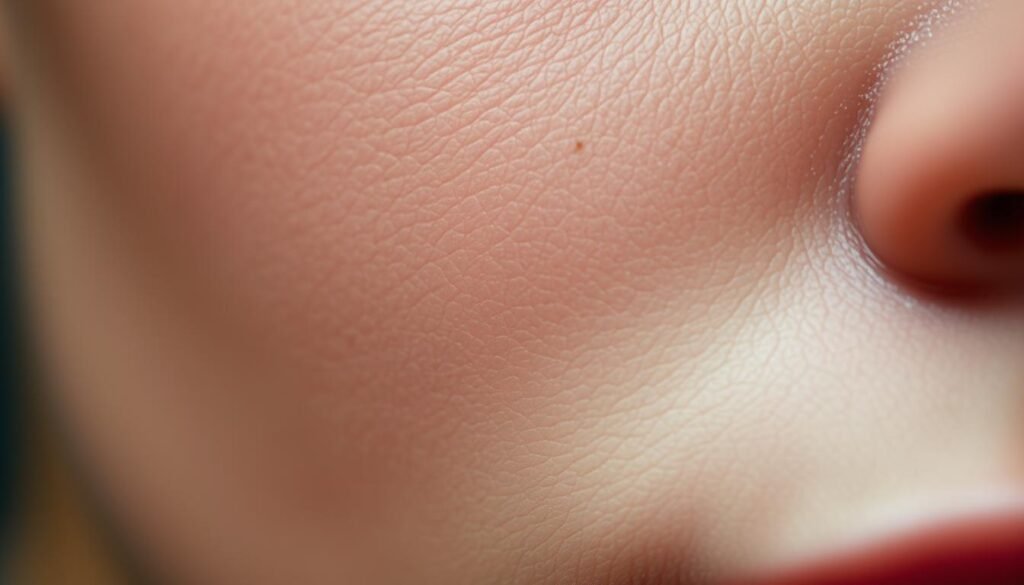
Cleansing, eye protection, and cooling gel
The therapist starts by cleansing your skin to make sure the surface is free of impurities. You will wear eye protection to stay safe from the flashes.
A cooling gel is then applied to improve comfort and energy conductivity.
Sensations during the procedure
The device is moved slowly over the target area with adjusted settings. Many people feel something like a rubber band flicking the skin, followed by a brief warm sensation.
The therapist monitors your skin’s response in real time to adjust the parameters if needed.
Duration and adjustments
One session usually takes 15-30 minutes, depending on the size of the area and the number of passes.
Light pulses are delivered in measured doses to target pigment or blood vessels. Parameters such as fluence and spot size are adjusted so the treatment is effective and safe.
- When finished, the gel is cleaned off.
- The therapist checks for mild erythema as a sign of the expected response.
- You receive brief aftercare instructions.
| Aspect | Action | Estimated time |
|---|---|---|
| Cleansing | Cleansing and checking the skin | 2-5 minutes |
| Protection | Fitting eye protection & applying gel | 2-3 minutes |
| Application | Device settings and pulse delivery | 10-25 minutes |
| Final check | Removing gel & aftercare instructions | 3-5 minutes |
Aftercare and recovery
In the first few hours after the session, your skin needs special attention for optimal and safe results. A sunburn-like sensation is usually felt for 4-6 hours; mild redness and swelling often accompany it.
Normal reactions that may appear
Common reactions include mild redness, minimal swelling, and a warm, sunburn-like feeling. Most side effects settle within a few hours or up to 1-2 days.
Recommended self-care
- Cold compresses for 10-15 minutes, several times a day, to soothe the skin.
- Use a gentle cleanser and a non-irritating moisturiser; stop strong exfoliants until the skin has recovered.
- Apply a zinc-based SPF 30+ sunscreen and reapply every 2 hours when exposed to the sun.
- Avoid saunas, strenuous exercise, or hot water for 24-48 hours to reduce risks and unwanted effects.
- Add a hydrating cream if dryness appears so the skin’s texture stays comfortable.
When to return to your skincare & makeup routine
If your skin does not sting, makeup is usually safe to wear again within a few days. If it stings, wait until it feels comfortable again, generally up to 1 week for sensitive cases.
| Symptom | Typical duration | Care steps |
|---|---|---|
| Sunburn-like / warm feeling | 4-6 hours | Cold compress; rest |
| Redness / mild bruising | 1-2 days | Gentle moisturiser; avoid makeup if it stings |
| Darkening of pigment spots | A few days to weeks | Let them flake off naturally; zinc sunscreen |
| Mild texture changes | Weeks for change | Hydration; report if it persists |
If an unexpected reaction appears, report it to the clinic immediately. The rubber-band sensation during the procedure does not continue afterwards; usually only mild warmth remains. Follow the clinic’s instructions to protect your results and your skin’s safety during recovery.
How many sessions are needed and when results appear
Treatment plans are usually designed so the skin has time to recover between sessions. Most people have between 3 and 7 sessions with 2-4 weeks between visits. This gives the skin time to respond and process the targeted pigmentation.
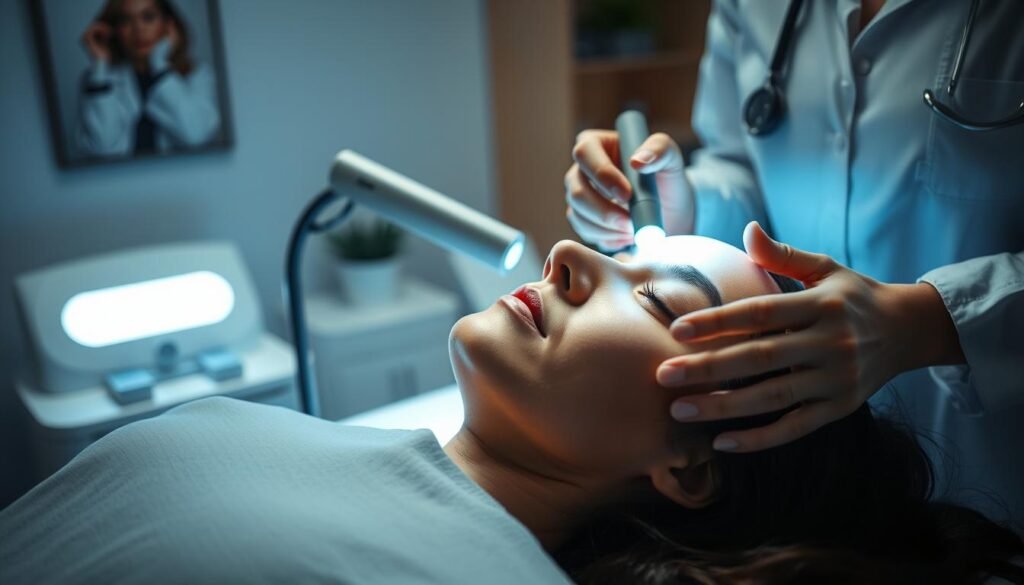
Session series and duration
Each session generally lasts 20-30 minutes. This short duration makes the treatment easy to fit into your work routine or daily activities.
Timeline of changes and results
Early changes often appear as darkening of spots, which then flake off over the following weeks. After that, improvements in texture and pores start to appear gradually.
- Session plan: 3-7 times, 2-4 weeks apart, for the best response.
- Duration per session: about 20-30 minutes.
- Early changes: darkening of spots, then flaking within a few weeks.
- Collagen stimulation takes 4-12 weeks to show improved skin firmness.
- Maintenance and additional treatment may be recommended for stubborn lesions.
| Aspect | Range | Brief notes |
|---|---|---|
| Number of sessions | 3-7 | Adjusted to skin condition |
| Interval between sessions | 2-4 weeks | Time for recovery and response |
| Collagen | 4-12 weeks | Gradual improvement in elasticity |
Discuss your goals and expectations from the start so the treatment is tailored to your skin’s needs and a realistic timeline.
What the results look like and how long they last
Treatment results are usually seen gradually, starting with changes in the colour of spots and leading to improved skin texture.
In general, the skin looks brighter and the tone more even after a few sessions. The appearance of age-related spots is clearly reduced in many patients.
- For sun-related damage, some patients report a reduction of up to 70% in brown spots and redness.
- Changes continue over 4-12 weeks because of new collagen formation, which improves firmness.
- Results last on average 6-12 months; the duration is influenced by lifestyle, UV protection, and biological factors.
- Lesions that have been treated usually do not return, but new lesions can appear, so maintenance treatment is important.
- Maintenance recommendation: 1-2 times a year to maintain the effect and prevent new spots.
| Aspect | Period | Details |
|---|---|---|
| Early changes | A few weeks | Spots darken then flake off; visible change in tone |
| Texture improvement | 4-12 weeks | Collagen forms, elasticity improves |
| Longevity | 6-12 months | Influenced by sun protection and care routine |
Discuss a long-term plan so the treatment matches your aesthetic goals. Daily sunscreen discipline and basic skincare will extend the results.
Risks and side effects: what might happen
Every light treatment can cause a reaction in the skin. Most effects are temporary and mild. Understanding the difference between normal reactions and warning signs helps you act quickly if needed.
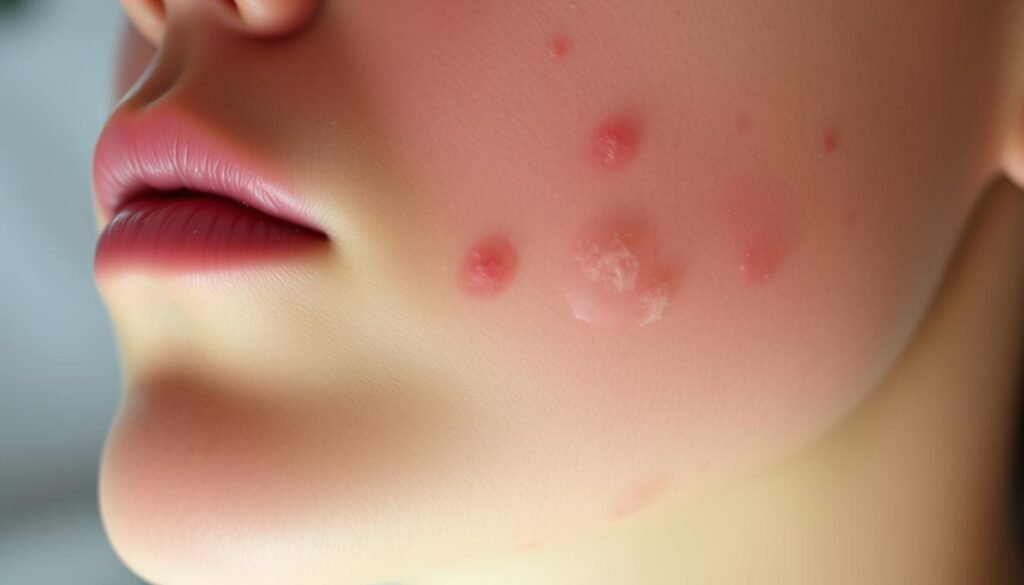
Common side effects
Frequent side effects include redness, a warm sunburn-like feeling, and mild swelling. These symptoms usually settle within a few hours to one or two days.
Some pigmented lesions may darken first before eventually flaking off. This is a therapeutic effect showing that the spots are responding to the energy from the procedure.
Rare complications
Although rare, complications can occur: blisters, crusting, permanent colour change, infection, or scarring. The risk is higher for very dark skin or patients with a history of keloids.
How to minimise the risk
- Choose an experienced practitioner and a facility with clear safety protocols.
- Follow the pre- and post-treatment instructions; this is the most effective way to lower the risk of side effects.
- Tell the clinic about your medication, allergies, or medical conditions for better risk mitigation.
- If a reaction lasts longer than a few hours or days, contact the clinic immediately.
- Document reactions so the parameters can be adjusted at the next session.
| Reaction | Common/ Rare | Action |
|---|---|---|
| Redness & mild swelling | Common | Cold compress, gentle moisturiser, rest |
| Temporary darkening of spots | Common (therapeutic) | Let them flake off naturally; sunscreen |
| Blisters, crusting, infection, scarring | Rare | Consult promptly, topical/medical treatment if needed |
| Permanent colour change | Rare (higher risk in darker skin) | Stop sun exposure; consult a specialist |
IPL vs other treatments: choose what suits your needs
Understanding the strengths of each method helps you decide the best path for a specific skin concern. In the summary below, we compare intensity, downtime, and target results so your choice fits the area you want to improve.
IPL vs laser: intensity, downtime, results per session
Traditional lasers are more targeted and aggressive. Results often appear faster, but downtime is usually longer.
Light-based methods offer the flexibility to treat pigment and vascular concerns in one visit. However, more sessions may be needed to match the effect of a laser.
IPL vs chemical peel
A chemical peel works through chemical exfoliation to remove skin layers. Light therapy, by contrast, uses light energy to target pigment and blood vessels without chemical peeling.
IPL vs microneedling / Fraxel
Microneedling excels at improving texture, scars, and lines through collagen stimulation. Fraxel (fractional laser) focuses on collagen and spots with moderate recovery.
Often a targeted combination, for example a light treatment for pigment plus microneedling for texture, gives synergistic results.
- Compared with lasers, IPL tends to be gentler with shorter downtime.
- For tone and fine blood vessels, light-based options are effective across a wide area in one session.
- Choose an experienced device and operator for safety and optimal results.
| Aspect | Comparison | Recommendation |
|---|---|---|
| Main target | Pigment & vascular / multiple | If your focus is tone & redness |
| Technique | Light/energy vs ablation/exfoliation | Choose according to skin sensitivity |
| Downtime | Low (light), moderate/high (laser/peel) | Match it to your schedule and tolerance |
Making a smart decision today: consultation and a personalised treatment plan
Start with an assessment session to make sure the treatment is safe, effective, and suited to your skin’s needs.
During the consultation, the practitioner will evaluate your skin tone, medication history, and aesthetic goals. If you are considering IPL, discuss all your concerns and daily needs so the plan is realistic.
A personalised plan can combine pulsed light therapy for multiple skin concerns such as pigment, redness, and texture. Gradual sessions every few weeks help the body process the results while keeping you safe.
During the procedure, eye protection is standard; follow the aftercare instructions for the first few hours. Also ask about the device, the pulse process, the estimated downtime, and home care options.
For more complete information about plans and benefits, read getting to know IPL treatment before making a decision.
FAQ
What is a photofacial and how does it work?
A photofacial is an intense light treatment that emits pulses of light to target melanin and haemoglobin in the skin. The light energy is absorbed by the target, breaking down pigment and small blood vessels, and the body then naturally eliminates the result. This process also stimulates collagen production so skin texture improves gradually.
Which skin concerns is this treatment most often used for?
This treatment is effective for sun damage, age spots, freckles, redness or mild rosacea, and for improving texture and fine lines. Results appear gradually and it is often chosen because the downtime is relatively short.
Who is the most suitable candidate?
The ideal candidate generally has light to medium skin, realistic expectations, and is ready to keep up UV protection after treatment. A consultation is needed if you take medication or have a history of sensitive skin.
When should I postpone or avoid the treatment?
Postpone it if you are pregnant, have an active skin infection, open wounds, have recently tanned, or are taking photosensitising medication. Also avoid it if you have a history of skin colour changes after light procedures.
What should I do before the session?
Avoid tanning and chemical peels for a few weeks beforehand, stop retinoids if advised, do not use perfume on the area to be treated, and tell the practitioner about any medication you take. A pre-treatment consultation is important to adjust the energy settings.
What are the steps on the day of treatment?
The skin is cleansed, the eyes are protected with special shields, and a cooling gel is applied if needed. The practitioner adjusts the energy and starts the series of pulses. The usual sensation is like being flicked by a rubber band, with a feeling of warmth.
How long does each session last and what does it feel like?
The duration is usually 20-30 minutes per area depending on its size. The sensation is brief bursts of heat and a slight tingle as the light pulses are released; most people find it well tolerated.
What are normal reactions after treatment and how should I care for my skin?
Normal reactions include redness, mild swelling, and a sunburn-like sensation for 4-6 hours. Self-care includes cold compresses, a gentle moisturiser, a mild cleanser, and a zinc-based SPF 30+ sunscreen. Avoid harsh exfoliation until the skin has recovered.
When can I go back to wearing makeup and my usual products?
Light makeup can usually be worn 24-48 hours after the initial reaction settles. Active products such as retinoids or AHA/BHA should be postponed until the skin has fully recovered, usually 1-2 weeks depending on the condition.
How many sessions are needed and when are results visible?
A typical series is 3-7 sessions 2-4 weeks apart. At first, dark spots tend to darken and then flake off over the following weeks. Collagen and texture improvements are felt within 4-12 weeks after several sessions.
What results can I expect and how long do they last?
Results include reduced pigmentation, less redness, and improved texture. How long they last depends on sun exposure and follow-up care; UV protection and maintenance treatment help keep the effect for longer.
What side effects might occur?
Common side effects: redness, mild swelling, sensitivity, and temporary darkening of spots. Rare complications include blisters, crusting, colour changes (hyperpigmentation or hypopigmentation), infection, or scarring.
How can I minimise the risk of complications?
Choose an experienced practitioner, use devices from proven brands, follow the pre- and post-treatment instructions, share your medication history, and avoid sun exposure. The right care helps lower the chance of problems.
What is the main difference between this light treatment and laser?
The light treatment uses a broad spectrum of pulses that targets various pigments at once, while a laser usually works at a single specific wavelength. Lasers tend to be more focused and more intense, with possibly different downtime.
How does it compare with a chemical peel, microneedling, or Fraxel?
A chemical peel focuses on chemical exfoliation to renew the skin layers, microneedling and Fraxel stimulate collagen through micro-injuries or fractional laser, while light treatment targets pigment and blood vessels more. The choice depends on your main concern: pigment, texture, or collagen.
What should I consider before making a treatment decision?
Discuss your goals, skin type, medical history, and schedule. A personalised plan from a dermatologist or trained practitioner will determine the optimal combination of treatments and number of sessions.