In this short article, we compare three popular treatments for common skin concerns: photofacial (IPL), laser treatment, and chemical peeling. The aim is to help you understand which one suits concerns such as spots, uneven texture, or redness.
IPL works with pulsed light energy to target pigmentation and fine blood vessels. The result is more even tone and texture with minimal discomfort and short downtime.
Laser includes ablative and non-ablative options. These often give more dramatic changes for acne scars and wrinkles, but may need a longer recovery.
Chemical peeling removes dead skin layers in a controlled way to improve texture and tone. The effect is gradual and suits those who want glowing skin without overly aggressive intervention.
Next, the article covers the benefits, side effects, number of sessions, and when a combination of treatments is more appropriate. This helps you choose based on your goals, schedule, and tolerance for downtime in the context of 2025.
Why So Many People Are Comparing These Treatments in 2025
Busy lifestyles lead many people to choose quick, non-surgical skin solutions with minimal disruption. Options such as light-based photofacials, non-ablative lasers, and superficial peels are popular because of their short recovery and visible results.
Many people looking for information read blogs and reviews before deciding. They weigh results, cost, and downtime so they can stay productive without compromising their appearance.
- Interest in 2025 is growing in treatments that can be done during a work break.
- More advanced light devices are driving discussion about comfort and effectiveness.
- Before-and-after reviews on social media make people more careful when choosing.
- Urban workers choose options that give natural results without a long recovery.
| Option | Time | Expected results |
|---|---|---|
| Photofacial | Short session | Improved tone & texture |
| Non-ablative laser | Several sessions | Moderate change |
| Superficial peeling | Quick procedure | Brighter skin |
An initial consultation is still important to personalise the treatment plan to your needs, schedule, and recovery expectations.
Photofacial with Intense Pulsed Light: How It Works, Results, and Downtime
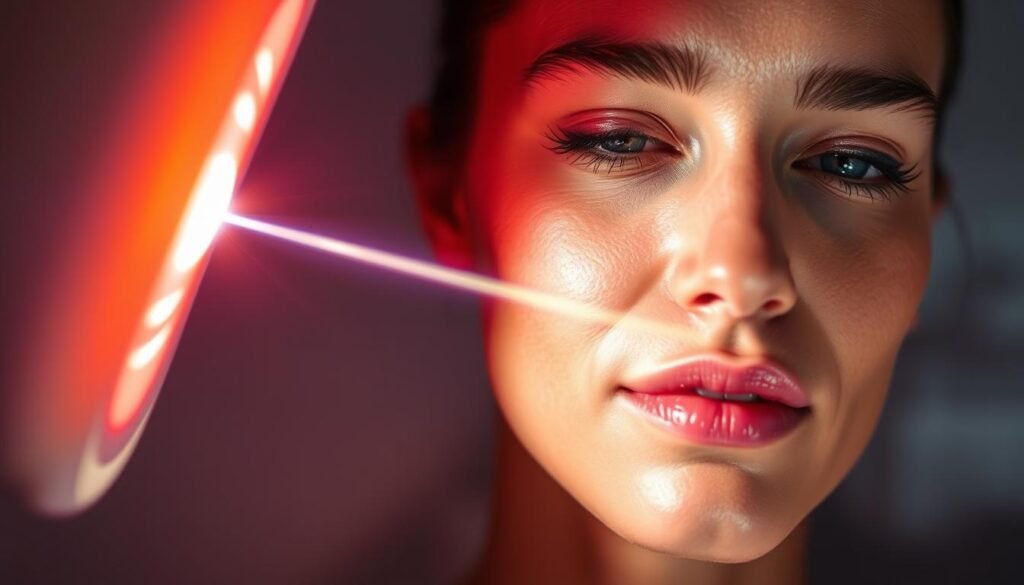
Intense pulsed light is a non-ablative method that delivers targeted pulses of light to target pigment and fine blood vessels. The handheld device filters wavelengths so the energy reaches the problem areas without damaging the skin’s surface.
How light pulses target pigment and blood vessels
Pulsed light creates controlled heating in structures such as melanin and small capillaries. Dark pigment absorbs more energy and breaks down.
The broken-down particles are then cleared through the body’s natural healing process. This approach minimises damage to the epidermis.
Benefits for skin tone and texture
Photofacial treatment is effective at reducing spots, sun damage, and redness from rosacea. The result is a more even tone and smoother texture.
- Gradual reduction of sunspots and freckles.
- Calms mild redness for a more balanced look.
- Quick sessions with adjustable intensity.
Common side effects and recovery
Side effects are usually mild: redness, slight swelling, or small bruises that disappear within a few days. The short recovery means many people return to their activities the same day.
- A sensation like a “rubber band snap” when the pulses are fired.
- The number of sessions depends on the goal, for example 3-5 sessions for mild pigmentation.
- Follow-up treatment helps maintain the results.
| Aspect | Session Duration | Recovery |
|---|---|---|
| Sensation | A few minutes per area | Daily, mild |
| Results | Gradual, over several weeks | Minimal downtime |
| Recommendation | 3-5 sessions depending on condition | Maintenance treatment |
Laser Toning and Laser Resurfacing: Ablative vs Non-Ablative
Some procedures use a single, highly focused light to improve texture and scars on the skin. The main difference lies in the depth of penetration and the intensity of the energy used.
Types, depth, and strength of results
Laser devices emit light at a single wavelength. Ablative lasers such as CO2 or Er:YAG remove the upper layer of the skin to stimulate collagen.
Non-ablative lasers (for example Nd:YAG, fractional) heat the underlying tissue without peeling the surface. Non-ablative results are more gradual, but the downtime is shorter.
When to choose them for deeper concerns
For thick scars, noticeable wrinkles, or stubborn pigmentation, ablative options often give the most significant results. However, the choice is tailored to the client’s tolerance for recovery.
Risks, side effects, and downtime
- Side effects: redness, swelling, a hot sensation.
- Ablative lasers bring longer downtime (several weeks); non-ablative is usually a few days.
- The risk of hyperpigmentation/hypopigmentation increases without proper parameter management and UV protection.
| Type | Target | Downtime |
|---|---|---|
| Ablative (CO2/Er:YAG) | Surface & collagen | Several weeks |
| Non-ablative (Nd:YAG/fractional) | Underlying tissue | A few days |
| Clinical parameters | Energy, density, passes | Determine the balance between results and damage |
Chemical Peeling: Superficial, Medium, Deep: Process and Effects
Chemical exfoliation remains popular because it can reach different skin layers with clear control.
Types of solution and the exfoliation process
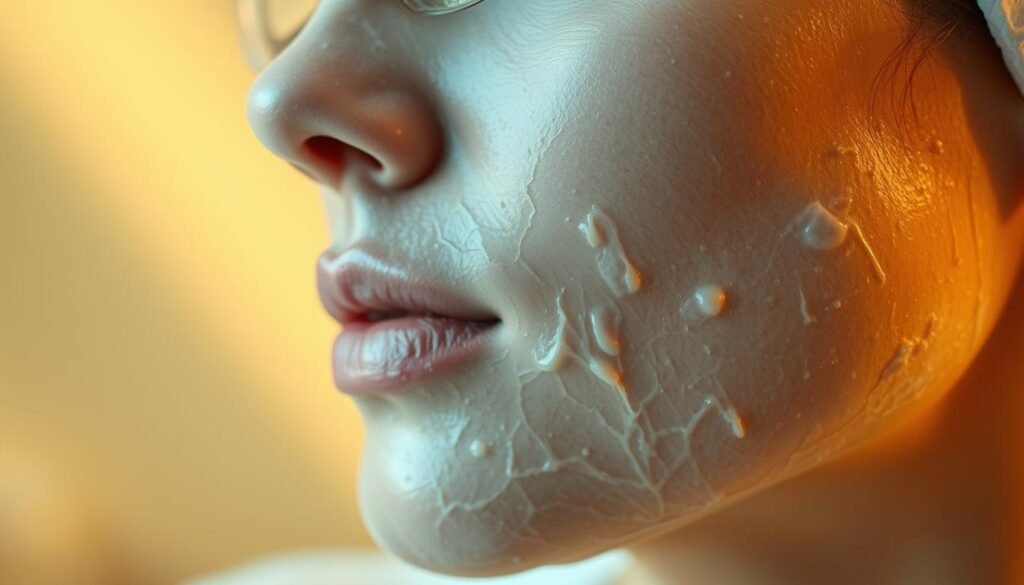
Superficial peels use mild acids such as glycolic acid to remove dead cells from the upper layer. The process is quick with minimal downtime.
Medium peels use TCA, which penetrates deeper to treat hyperpigmentation, spots, and mild wrinkles.
Deep peels use phenol for structural problems such as deep wrinkles and scars, but require close monitoring.
Results, side effects, and colour changes
The expected effects include smoother texture, more even tone, tighter-looking pores, and a fresher appearance.
- Side effects: redness, swelling, a stinging sensation, and peeling after the procedure.
- Recovery: a few days for superficial, up to two weeks for medium, and longer for deep.
- The risk of colour change (hyper/hypopigmentation) is higher in darker skin and with medium/deep peels.
| Type | Target | Recovery |
|---|---|---|
| Superficial (glycolic) | Dead skin cells, glow | A few days |
| Medium (TCA) | Hyperpigmentation & spots | Up to 2 weeks |
| Deep (phenol) | Wrinkles & scars | Several weeks to months |
The type is chosen according to the main concern, skin tone, and how much time off you can tolerate. Use sunscreen and a gentle moisturiser, and avoid irritants to speed up recovery. For a more complete guide to the benefits and follow-up care, see the benefits of facial peeling.
Photofacial vs Laser Toning/Peeling/Regular Facial: The Differences
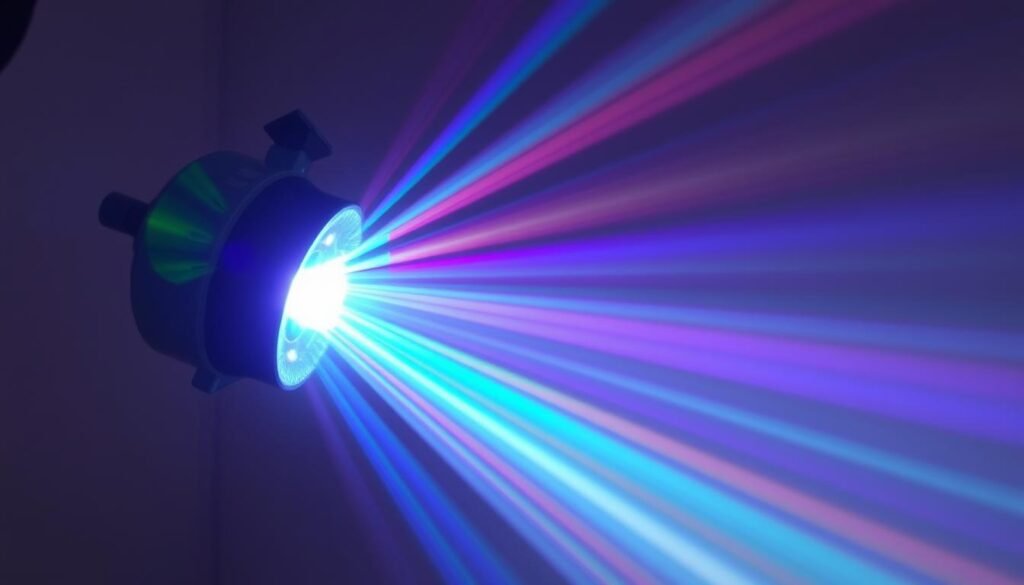
The choice of treatment depends on the skin concern you want to address, the recovery time, and your skin tone. For superficial spots and redness, intense pulsed light options work effectively with minimal downtime.
Indications and concerns
Intense pulsed light, or photofacial, is ideal for surface spots and mild vascular concerns. It targets superficial pigment and capillaries without peeling the skin.
Laser treatment suits deep acne scars and fine lines because it penetrates deeper. Meanwhile, peeling excels at improving texture and giving a gradual glow.
Results & number of sessions
Photofacial results are usually gradual; on average 3-5 sessions for mild pigmentation. Non-ablative lasers require several sessions, while ablative lasers sometimes need only 1-2 sessions for dramatic changes.
Downtime & recovery
Photofacial has the shortest downtime. Non-ablative laser downtime is short and tolerable. Ablative lasers and medium/deep peels require longer recovery and strict aftercare.
Skin type and safety
Darker skin types need caution with high-powered lasers and deep peels because of the risk of colour change. Superficial peels are safer for many skin types. Initial diagnosis, test patches, and education on photoprotection are very important.
| Concern | Recommendation | Sessions & Downtime |
|---|---|---|
| Spots & mild redness | Intense pulsed light / photofacial | 3-5 sessions, minimal downtime |
| Acne scars & deep wrinkles | Laser (non-ablative / ablative) | Non-ablative: several sessions; ablative: 1-2 sessions, long downtime |
| Texture & glow | Peeling (superficial → deep) | Superficial: quick; medium/deep: longer recovery |
For a tailored plan and follow-up care, consult a professional and read the full guide on skin treatment benefits in the benefits of facial laser.
What Happens During Treatment: Process, Areas, and What It Feels Like
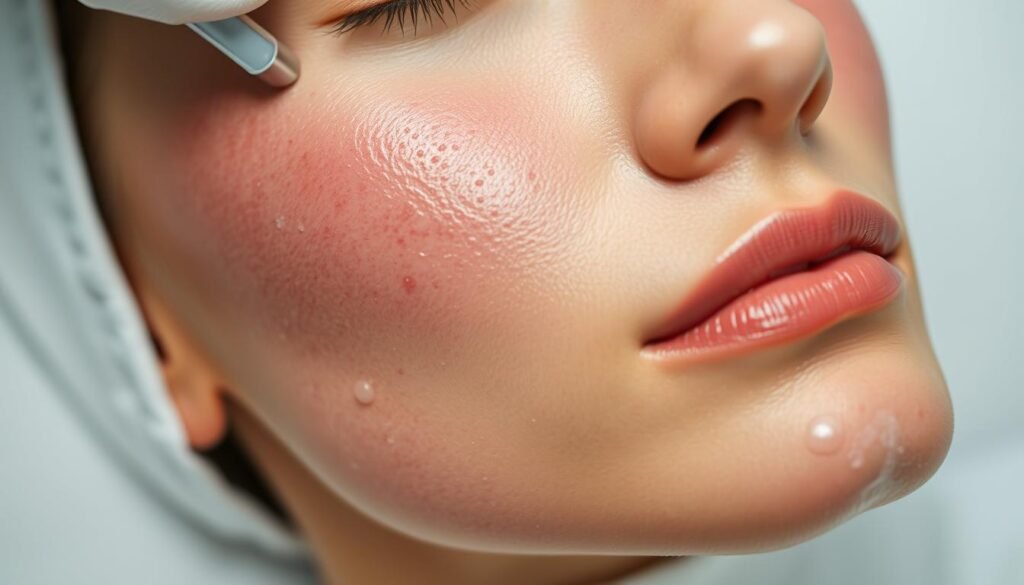
Every session starts with a quick evaluation to align the goals with your skin condition. This ensures the device parameters are suitable and safe before the procedure begins.
Professional procedure steps
- Initial consultation: health history, medication, and treatment goals are discussed for a safe plan.
- Setting parameters: for IPL the right filter/wavelength is chosen; for laser the type and energy settings are chosen.
- Patch test: testing a small area helps predict the skin’s response and reduce risk.
- The procedure is short; the usual sensation is a rubber-band snap with light, or warmth/stinging with laser.
- Commonly treated areas: the full face, cheeks, nose, or acne scars.
Aftercare to speed up recovery
When finished, the skin may be red. A cold compress helps reduce pain and mild swelling.
Use a gentle cleanser, a hypoallergenic moisturiser, and broad-spectrum SPF. Avoid exfoliants and excessive heat for a while.
| Stage | Duration | Sensation |
|---|---|---|
| Consultation & test | 10-20 minutes | Comfortable, informative |
| Procedure | A few minutes per area | Snapping/ warmth |
| Initial recovery | A few days | Mild redness |
Choosing the Right One for You: Budget, Schedule, and Appearance Goals
Choosing the right treatment starts with knowing your priority: fast results or short recovery. Laser usually gives faster and deeper results for concerns that need strong correction.
If your priority is texture and glow, a light peel is often a safe first step. For a tendency towards pigmentation or recurring redness, a photofacial with intense pulsed light can bring improvement without much downtime.
Practical considerations
- Set your priority: results or minimal recovery.
- Weigh short-term costs against maintenance treatments.
- Choose a modality that fits your schedule; non-ablative and superficial options suit busy people.
- Consider your skin type and history of sensitivity.
- Discuss session intervals (usually 3-6 weeks) with a professional.
| Priority | Recommendation | Notes |
|---|---|---|
| Fast results | Laser | One or several sessions, longer downtime |
| Minimal downtime | Photofacial / intense pulsed light | Regular sessions, easy maintenance |
| Texture & glow | Superficial peeling + non-ablative | Peeling maximises the response before laser |
Re-evaluating after several sessions helps adjust the plan. A combination plan monitored by a professional often gives the best results with controlled risk.
Safety Tips: Professional Guidance, Sun Protection, and Realistic Expectations
Putting safety first makes the process smoother and reduces risk. An initial consultation helps tailor the plan to your condition and history.
When to consult and what to ask the clinic
Always start with a verified clinic. Discuss your medical history, medication, and previous skin reactions.
- Ask about possible side effects and the clinic’s protocol for handling complications.
- Make sure the light devices and operators are certified for your skin type.
- Discuss the risk of colour changes such as hyper/hypopigmentation, especially for darker skin tones.
- Ask for an aftercare plan: cleansing, moisturiser, SPF, and steps that support healing.
- Avoid relying on advice from blogs or social media alone without clinical verification.
| Question | Why it matters | Example answer/expectation |
|---|---|---|
| Medical history | Reduces the risk of reactions | List of medication and allergies |
| Possible side effects | Mental readiness and handling | Explanation of frequency & follow-up |
| Aftercare protocol | Speeds up recovery, prevents damage | Check-up plan and SPF |
Document your progress with standard photos and ask about the rescheduling policy if an unexpected reaction appears after laser or another procedure.
Ready to Take the Next Step: Find the Treatment That Matches Your Skin and Goals
Choosing the right treatment starts with understanding your skin concerns and lifestyle. For pigmentation or mild redness, a photofacial is suitable because it improves tone with a short recovery.
If your goal is structural change and deeper results, laser options usually give more significant results, although they need a longer recovery.
Superficial peeling helps smooth texture and add glow. Many cases get the best benefit when treatments are combined under professional supervision.
Plan your sessions, keep up your aftercare (SPF and moisturiser), and document your progress with photos. With careful planning, you can achieve a natural appearance and healthy skin that lasts.
FAQ
What is the difference between a photofacial and intense light treatments such as IPL and intense pulsed light?
A photofacial generally uses intense pulsed light (IPL) technology to target pigment and blood vessels without damaging the skin’s surface. This procedure reduces sunspots and redness and improves skin tone with minimal downtime compared with some more aggressive laser treatments.
How does laser toning differ from ablative laser resurfacing?
Laser toning is usually non-ablative and works on deeper skin layers without removing the surface, making it suitable for mild pigmentation and texture. Ablative laser resurfacing vaporises the epidermis for more dramatic results on fine lines and acne scars, but causes longer downtime and an intensive recovery.
What are the benefits of a superficial chemical peel compared with medium or deep?
Superficial peels use mild acids (for example AHA) for gentle exfoliation, suitable for brightening and improving mild texture with little downtime. Medium peels (TCA) target the epidermis to the upper dermis for spots and lines, while deep peels (phenol) give significant change but require recovery time and close medical supervision.
How long does it usually take to see results after IPL or a photofacial?
Many patients see improvement in tone and reduced redness within 1-3 weeks, with optimal results after several sessions (usually 3-6). Maintenance treatment every few months is often recommended to keep the results.
What are the downtime and common side effects of light or laser treatments?
Downtime varies: IPL and non-ablative lasers often cause temporary redness and slight swelling that disappear within 24-72 hours. Ablative lasers and deep peels cause more noticeable peeling, prolonged redness, and a healing period of several weeks. Other side effects can include temporary hyperpigmentation, hypopigmentation, or infection if not cared for properly.
Are these treatments safe for all skin types and tones?
Not all technologies suit all skin tones. IPL and some lasers are safer on light to medium skin tones; the risk of colour change increases in darker skin. An experienced dermatologist will choose the wavelength, energy, and protocol that reduce the risk.
Can treatments be combined, for example IPL with a chemical peel or non-ablative laser?
Yes. Combinations often improve results: IPL for pigmentation and vascular concerns, non-ablative laser for texture, and peeling for chemical exfoliation. However, the schedule and order must be planned by a professional to keep it safe and minimise irritation and downtime.
What does the procedure feel like and how should I prepare beforehand?
Sensations differ: IPL/non-ablative laser usually feels like a warm sting or a rubber band snapping; topical anaesthetic is sometimes used. For medium/deep peels, pre-treatment and anaesthesia may be needed. Avoid sun exposure, stop using retinoids a few days to weeks beforehand, and have a consultation for a spot test.
What important questions should I ask during a consultation at the clinic?
Ask about the doctor’s experience with the specific technology, how many sessions are recommended, the risks for your skin type, before-and-after photos of similar patients, the post-procedure protocol, and the total cost including maintenance sessions.
How should I care for my skin after treatment to prevent damage and speed up recovery?
Use a broad-spectrum SPF 30+ sunscreen every day, avoid direct sun exposure, apply a gentle moisturiser, do not use harsh exfoliants during the healing period, and follow the clinic’s instructions on antibiotic ointment or cream if prescribed.
When should I choose a more aggressive treatment than IPL or a light peel?
Choose an aggressive treatment if you have deep acne scars, significant wrinkles, or texture irregularities that do not respond to milder treatments. Ablative laser or deep resurfacing gives dramatic change, but consider downtime, risk, and recovery before deciding.
What is the average cost and session interval for these treatments?
Costs vary widely by clinic and region. IPL and non-ablative laser generally require regular sessions every 3-6 weeks, for a total of 3-6 sessions. Superficial peels can be repeated more often, while deep procedures are usually done once with follow-up. A clinic consultation gives a more accurate estimate.
Are there medical conditions that make light or acid treatments not recommended?
Yes. Pregnancy, recent isotretinoin use, active skin infection, or a history of keloids and healing disorders require special assessment. Always share your full medical history with the doctor before the procedure.