Have you ever felt self-conscious because of a skin problem? Dark spots can affect your appearance and reduce your confidence. However, not all skin conditions are the same.
Understanding the causes and the right solutions is very important. This article will help you recognise the characteristics, causes and professional treatments available.
DE HAIR LASER & AESTHETIC is ready to provide the best solution for your skin. An accurate diagnosis is the key to optimal treatment results.
Let’s go through the explanation in plain, easy-to-understand language!
What Are Melasma and Dark Spots?
Clear, even facial skin is something many people want. However, some skin conditions can cause dark patches to appear. Understanding the cause helps you choose the right solution.
What Melasma Is
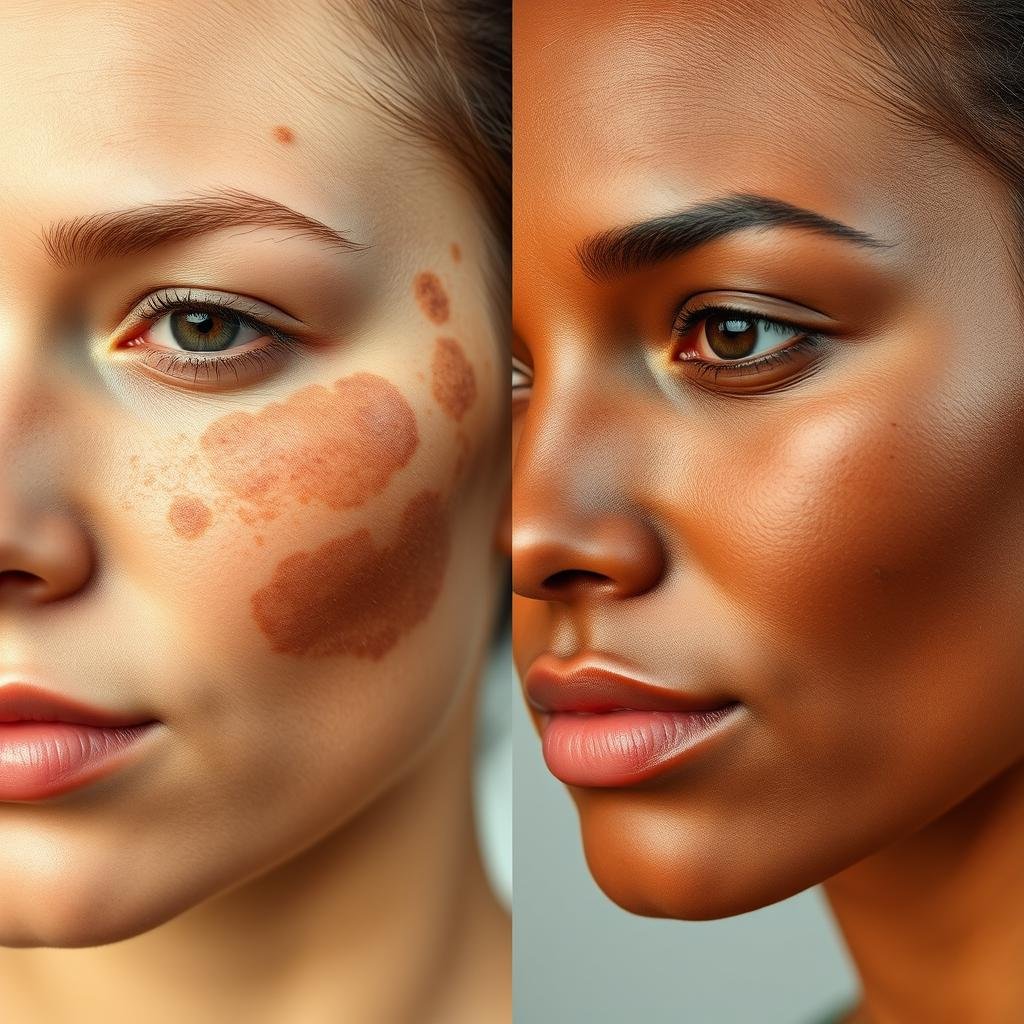
Melasma is a pigmentation disorder characterised by symmetrical patches. It usually appears on the cheeks, forehead or above the upper lip. This condition is often linked to hormonal changes, such as pregnancy or the use of contraceptives.
- Shape: Wide patches with a regular pattern
- Location: Areas of the face exposed to sunlight
- Risk factors: Hormonal changes and genetics
What Dark Spots Are
Dark spots are a more varied type of hyperpigmentation. They can appear on the face, hands or other parts of the body. The main causes are excessive UV exposure or acne scars.
- Shape: Small, scattered spots
- Location: Exposed areas that often get sun
- Risk factors: Ageing and less than optimal skin care
The Basic Differences Between Them
Although both affect skin colour, each has its own characteristics. Melasma tends to affect pregnant women or people taking birth control pills. Dark spots, meanwhile, can affect anyone.
The main difference lies in the pattern and the cause. Melasma is symmetrical, while dark spots are irregular. The treatment needed is also different.
What Causes Melasma and Dark Spots
Did you know that several factors can trigger changes in skin colour? Understanding the causes helps you prevent and treat this problem properly.

Triggers of Pigmentation Problems
This condition is often influenced by hormonal changes, especially in women. Oestrogen can stimulate excess melanin production. Around 70% of cases are linked to pregnancy or birth control pills.
Family history also plays a big role. If your parents had similar problems, your risk increases. Certain medications, such as chemotherapy, can also trigger hyperpigmentation.
The Effect of Sun Exposure
UV rays worsen the condition of vulnerable skin. Without protection, the risk of dark patches appearing rises fourfold. The effect is cumulative and often becomes visible after years.
Use sunscreen from a young age to prevent damage. Choose a product with SPF 30+ and reapply every 2 hours.
Habits That Make the Condition Worse
Some everyday habits can trigger problems without you realising it. Scrubbing your skin too hard when washing your face is one of them. Stress and lack of sleep also affect skin health.
Pay attention to the skincare products you use. Too much alcohol or fragrance can cause irritation. Always do a small test before applying a new product.
Characteristics and Symptoms of Melasma vs Dark Spots
Dark patches on the face can have different characteristics. Although they look similar, their pattern and texture often point to different causes. Understanding these characteristics helps you decide on the best solution.
Characteristics of Melasma
This condition usually appears as symmetrical patches with blurred edges. The colour of the patches varies from light brown to almost black, depending on the layer of skin affected.
Other typical characteristics:
- More visible in summer or during the menstrual cycle
- Skin texture stays smooth with no surface changes
- Often appears on the cheeks, forehead or above the upper lip
Characteristics of Dark Spots
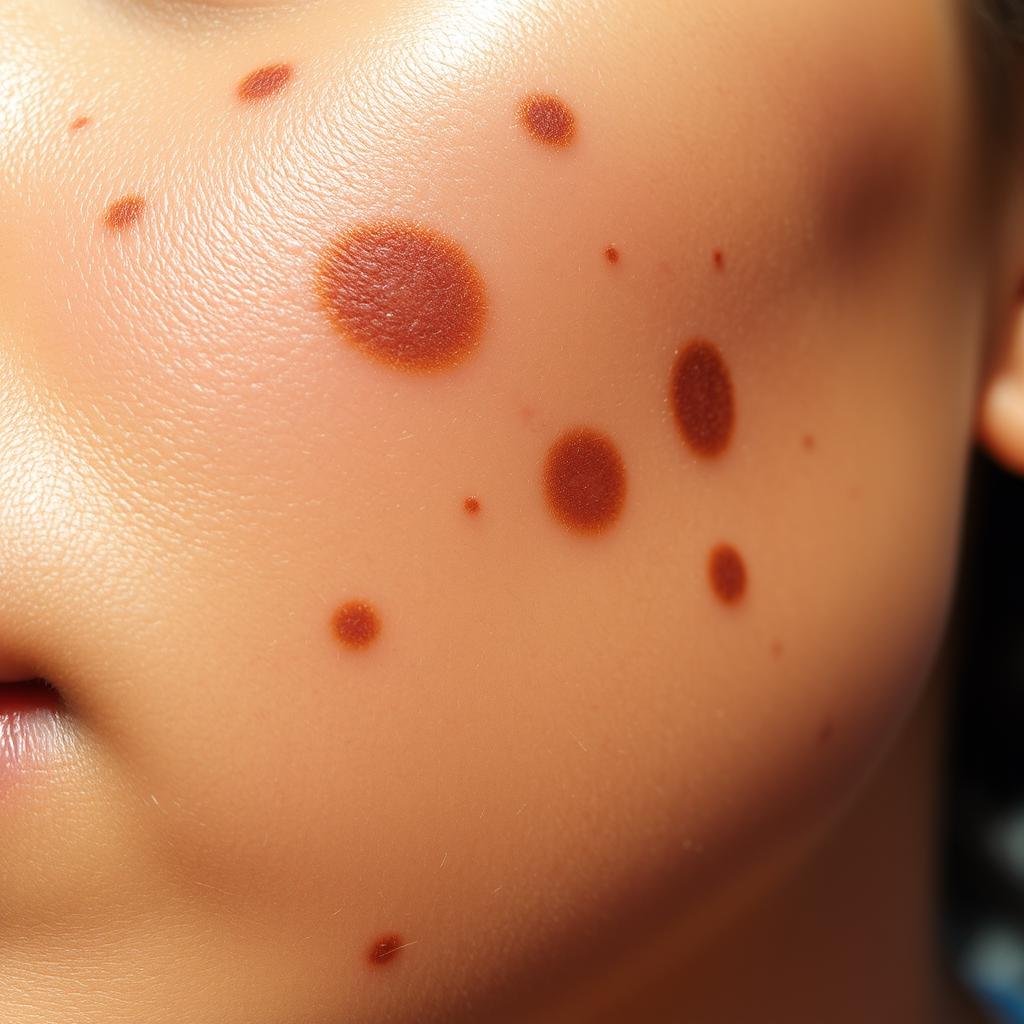
These spots are generally smaller with clear edges. Their colour can change from light brown to dark over time. Unlike other types, dark spots often have a slightly rough texture.
Other distinguishing features:
- Do not change colour with the seasons
- Appear in areas often exposed to the sun
- Can become darker without the right treatment
How Can You Tell Them Apart?
A simple check can be done in natural light. Look at the pattern and distribution of the patches on your face. Melasma tends to be symmetrical, while dark spots are scattered randomly.
For an accurate diagnosis, aesthetic clinics use a Wood’s lamp. This tool helps show how deep the pigment is in the skin. The examination results determine the right type of treatment.
Where They Appear on the Body
The pattern in which skin patches appear can indicate the type of problem. Some zones are more prone to certain colour changes. Understanding this distribution map helps determine the right treatment.
Main Zones for Certain Conditions
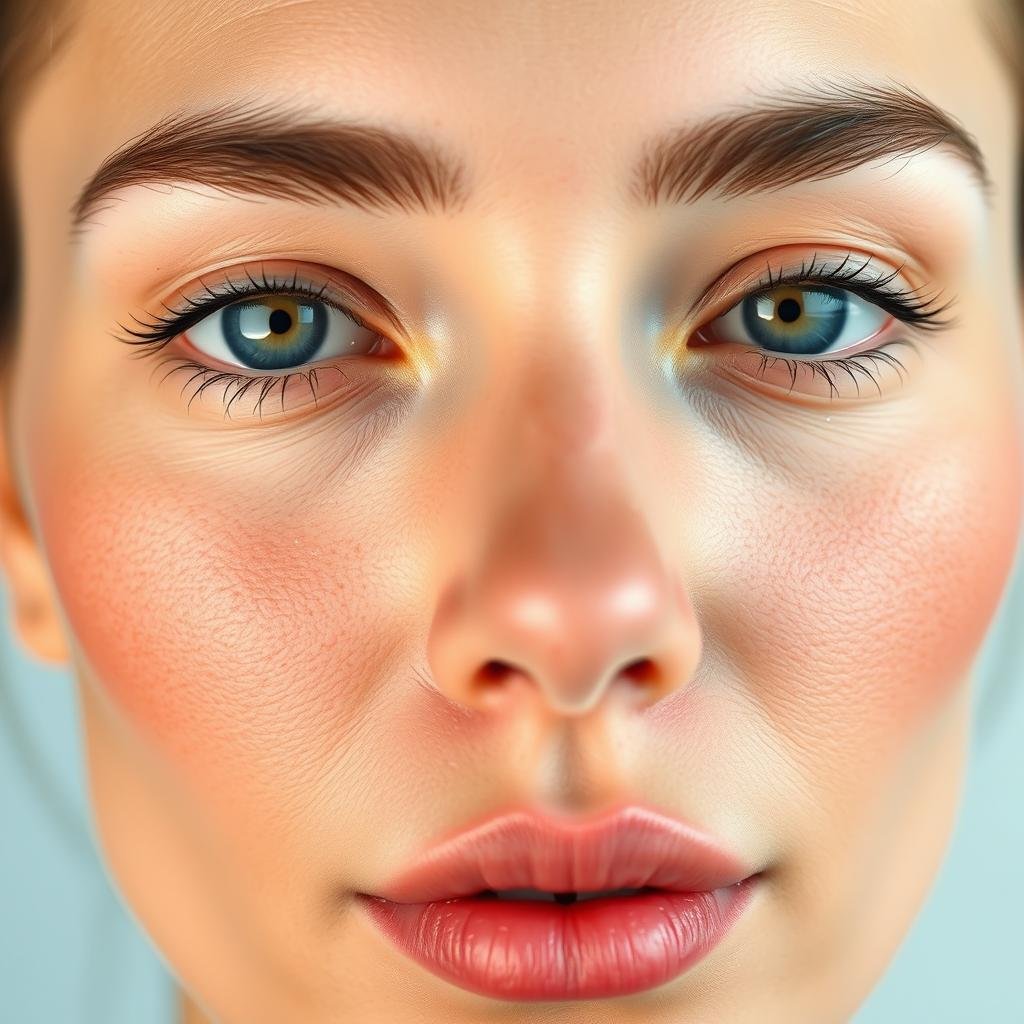
The first type of skin problem often appears in certain areas of the face. The cheeks, forehead and above the upper lip are the most vulnerable zones. Around 95% of cases occur on parts of the face exposed to the sun.
Biomechanical factors affect where it appears:
- The thin skin in these areas is more sensitive
- Blood vessels are closer to the surface
- Melanin production is more active in the facial T-zone
Vulnerable Areas for Other Problems
A different type of patch often appears on other parts of the body. The décolletage, hands and arms are high-risk zones. Long-term UV exposure is the main cause.
These areas need special protection:
- Use a sunscreen made for the body
- Wear protective clothing for outdoor activities
- Exfoliate regularly to support skin regeneration
| Body Area | Risk of the First Condition | Risk of Other Problems |
|---|---|---|
| Face | High (95%) | Moderate |
| Décolletage | Low | High |
| Hands | Very Low | High |
Cases outside the face are rare. When they do occur, they are usually linked to strong genetic factors. A dermatological consultation is needed for an accurate diagnosis.
Want advice for your own skin? Book a free consultation or ask us on WhatsApp.
Treatments for Melasma and Dark Spots
Caring for skin with dark patches requires a special approach. A combination of daily care and protection is important for optimal results. Here is a complete guide to caring for your skin effectively.
Effective Topical Treatments
Your choice of skincare products determines how successful the treatment is. Active ingredients such as vitamin C can improve results by up to 40% when combined with SPF 50.
Some ingredients worth noting:
- Tranexamic acid: effective for deep pigmentation
- Arbutin: safe for sensitive skin
- Niacinamide: reduces inflammation
Application technique also matters:
- Apply products from the lightest texture first
- Wait 1 minute between product layers
- Double cleansing is important to prevent clogged pores
Protection from UV Rays
Sun exposure worsens the condition of the skin. Use sunscreen with at least SPF 30 every day, even when it is cloudy.
Extra protection tips:
- Reapply every 2 hours
- Wear a wide-brimmed hat for outdoor activities
- Avoid the sun between 10 a.m. and 2 p.m.
Lifestyle Changes
A balanced diet supports skin health. Eating foods rich in antioxidants can reduce hyperpigmentation by up to 30%.
| Step | Morning Routine | Evening Routine |
|---|---|---|
| Cleansing | Gentle cleanser | Double cleansing |
| Treatment | Vitamin C serum + SPF | Retinol or AHA |
| Protection | Sunscreen | Intensive moisturiser |
Enough rest and stress management are also important. The skin needs time to regenerate its cells during sleep.
Professional Treatment at the Clinic
The best solution for skin problems often requires expert care. Modern beauty clinics offer a range of safe and effective treatment options. The latest technology delivers optimal results with minimal risk.
Laser and Peeling Treatments
Laser has become a popular choice for treating a range of skin problems. Picosecond technology in particular is well suited to Asian skin because it has minimal side effects. Results can last up to 2 years with the right care.
Chemical peels are also effective for skin rejuvenation. This procedure helps to:
- Remove dead skin cells
- Stimulate collagen production
- Even out skin tone
At DE HAIR LASER & AESTHETIC, the expert team uses combination protocols. A personalised approach ensures maximum results for every patient.
Special Treatments for Certain Conditions
Some skin problems need a special approach. Q-switched laser is effective for treating dark spots on the face. This technology works by breaking up pigment without damaging the surrounding tissue.
For certain cases, the doctor may recommend:
- A series of gradual treatments
- A combination of light therapy and topical treatment
- Supporting care for long-lasting results
The Consultation and Treatment Process
The first step is a free consultation with a skin expert. The DE HAIR team will analyse your skin condition thoroughly. An accurate diagnosis is the key to the right treatment.
The pre-treatment procedure usually includes:
- A detailed skin examination
- An explanation of the treatment stages
- Preparing the skin before treatment
Call 081 1887 1945 to book a consultation. Our professional team is ready to help you get healthy, bright skin.
Skincare Product Recommendations
Choosing the right skincare products can be a challenge. With so many options on the market, it is important to understand which active ingredients are effective. Here is a complete guide to caring for skin with hyperpigmentation.
Active Ingredients That Work Best
Some specific ingredients have proven effective for pigmentation problems. Tranexamic acid 3% shows significant results within 4 weeks. A combination of glycolic acid and vitamin C also has a synergistic effect.
Brightening ingredients worth noting:
- Niacinamide: reduces inflammation and brightens
- Arbutin: safe for sensitive skin
- Retinol: speeds up cell regeneration
The Best Product Options
Local and international products offer different solutions. Local skincare is often better suited to a tropical climate. Imported products, meanwhile, may have more advanced technology.
Tips for choosing products:
- Pay attention to the order of use (layering technique)
- Read the active ingredient labels carefully
- Avoid over-exfoliation, which damages the skin barrier
Some product recommendations:
| Category | Local Products | International Products |
|---|---|---|
| Budget-friendly | Niacinamide 5% serum | Vitamin C 10% |
| Mid-range | Tranexamic acid 2% | Glycolic acid 7% |
| Premium | Arbutin + vitamin E combination | Retinol 0.5% |
Always do a patch test before regular use. Everyone’s skin responds to products differently. Consult a skin expert for personal recommendations.
Find the Best Solution for Your Skin
Now is the time to take the right step towards healthier skin. DE HAIR LASER & AESTHETIC offers personalised solutions with the latest medical technology.
The advantages of our treatments:
• Free 24-hour consultation via WhatsApp
• Maintenance programmes for long-lasting results
• Strategic locations in Jakarta and Surabaya
Our clinic uses advanced equipment that meets international standards. Our expert team is ready to help transform your skin.
Call 081 1887 1945 to book a consultation. Bright, healthy skin can be yours!
FAQ
What is the main difference between melasma and dark spots?
Melasma usually appears because of hormonal changes and is often seen as symmetrical patches on the face. Dark spots are smaller and are caused by sun exposure or ageing.
Can melasma go away on its own?
It can, especially if it is caused by pregnancy or birth control pills. However, it often needs special treatment to fade.
How can I prevent dark spots?
Use sunscreen every day, avoid excessive sun exposure and use products with vitamin C or niacinamide to brighten the skin.
Can dark spots appear in areas other than the face?
Yes, dark spots often appear on the hands, neck and chest because these areas are often exposed to UV rays.
Which products are effective for treating melasma?
Look for products with hydroquinone, kojic acid or retinoids. Consult a dermatologist for the right treatment.
Is laser safe for treating dark spots?
Yes, treatments such as Q-switched laser or IPL can help, but make sure they are performed by a professional to avoid irritation.