This modern treatment combines Laser Toning, IPL/Alma Beauty Rejuve, and Oxy Infusion in one short session. The process usually takes 20-40 minutes and feels mildly warm on the skin’s surface.
This method is designed as a quick and safe solution for those who want to improve the appearance of their skin without long downtime. The main benefits include oil control, calming inflammation, and fading marks.
The combined technologies give an all-round effect: reducing excess oil, stimulating collagen, and improving skin texture. Results tend to be gradual, so consistent sessions are important for maximum effect.
Before choosing a treatment, a professional evaluation is needed so the approach can be tailored to your skin type. In the next sections, we explain the steps during the session, preparation beforehand, and aftercare.
Why this guide matters for calmer, more even skin
This guide explains practical steps for assessing your skin condition before choosing a treatment. An initial evaluation helps identify the causes of irritation, mild rosacea, or sensitivity after sun exposure.
We emphasise adjustments based on skin tone and each person’s response. The right approach reduces risk and increases the effectiveness of the treatment.
- Understanding the triggers helps you choose a safe and measured solution.
- Early education brings long-term benefits for the appearance and health of your skin.
- This guide sets out the steps so your treatment journey feels clear.
| Cause | Signs | Recommendation |
|---|---|---|
| Product irritation | Temporary redness | Stop the irritating product, consult a doctor |
| UV exposure | Sensitivity and spots | Check skin tone, adjust parameters |
| Post-lesion inflammation | Post-inflammatory marks | A gradual strategy and follow-up treatment |
What is a photofacial and how does it work on the skin layers
A photofacial is a non-invasive method that combines light energy and oxygenation to target several skin layers in a structured way. The procedure consists of three complementary stages, so the results are more even and natural.
The technology used: laser toning, IPL/face rejuvenation, and oxy infusion
Face toning uses a laser to penetrate the dermis, stimulate collagen, and help balance oil production. Face rejuvenation (IPL/Alma Beauty Rejuve) targets melanin and haemoglobin in the epidermis and upper dermis.
Oxy infusion adds oxygenation and hydration to the pores so the skin feels smoother and makeup sits better.
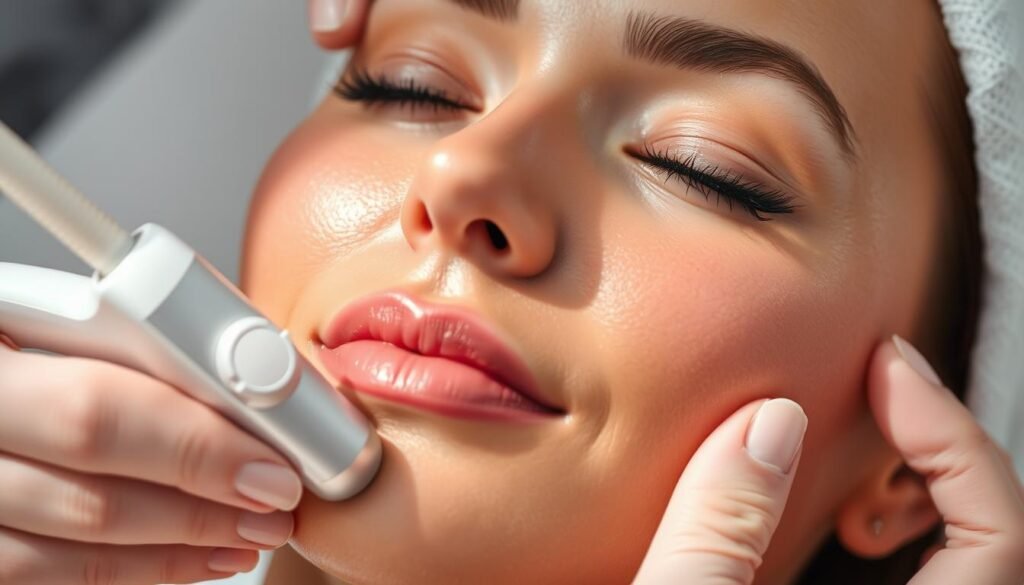
How light works on melanin, haemoglobin, water, and collagen production
Light from the IPL device is absorbed by melanin and haemoglobin, so skin discolouration can be neutralised and inflammation reduced. The interaction of energy with water in the tissue also helps trigger new collagen production.
Treatment areas, sensations on the skin, and estimated duration per session
The treatment area is usually the full face, but it can be adjusted. The sensation is mild, warm, or like a brief ‘snap’ on the skin.
The total duration is generally 20-40 minutes, making this method easy to fit into a daily schedule. For scheduling details and recommendations, see the treatment info.
Photofacial benefits for acne, redness, and skin texture
Many people choose light-based procedures because of their all-round benefits. This treatment helps suppress oil production, calm inflammation, and improve the appearance of dark spots and acne marks.
Effective against inflammation and oil production
This treatment is effective for mild active acne by reducing excess oil and reducing redness from inflammation. Results are felt gradually; consistent sessions are important to keep breakouts under control.
- Reduces sebum production so pores look cleaner.
- Calms redness, including mild rosacea and reactions from sun exposure.
- Minimises pores and evens out skin texture so it feels smoother.
- Fades hyperpigmentation and acne marks so skin tone is more even.
- Stimulates collagen so elasticity improves and fine wrinkles are reduced.
| Benefit | Reported Changes | Estimated Time to Results |
|---|---|---|
| Oil & breakout control | Reduced sebum and inflammation | 2-6 weeks |
| Reduced redness & rosacea | A more even-looking complexion | Several sessions (4-8) |
| Hyperpigmentation & marks | Spots fade; brighter tone | 8-12 weeks |
| Collagen & elasticity | Elasticity improved by up to ~30% | 3 months after several sessions |
Research reports success rates of up to around 80% for improving red patches and hyperpigmentation after several treatments. The final result depends on skin type, sticking to the schedule, and follow-up care.
Photofacial for Acne & Redness: a step-by-step process you can follow
This procedure is set out in a short, clear flow so patients understand each stage. The total time is usually 20-40 minutes, depending on the area treated.
Initial consultation
The doctor assesses your skin condition and tone. This assessment determines the device parameters so the treatment is safe and effective.
Preparation before the procedure
The face is cleansed first. A cooling gel is applied for comfort during IPL.
Eye protection is put on to protect you during exposure to light.
Face toning (laser)
The laser method works in the dermal layer. It stimulates collagen and helps control sebum.
Face rejuvenation (IPL)
IPL targets melanin, haemoglobin, and water in the epidermis and upper dermis. The pulsed light helps even out tone and calm small blood vessels.
Oxy infusion
In the final stage, oxy infusion delivers micro-oxygen and hydration. The skin feels fresher and makeup sits better afterwards.
- It starts with a doctor’s consultation to set safe parameters.
- Short preparation: cleansing, cooling gel, eye protection.
- Stages: face toning → IPL → oxy infusion, which complement each other.
- The total duration is about 20-40 minutes depending on the area and energy chosen.
- After treatment you can usually return to your activities, following the aftercare advice.
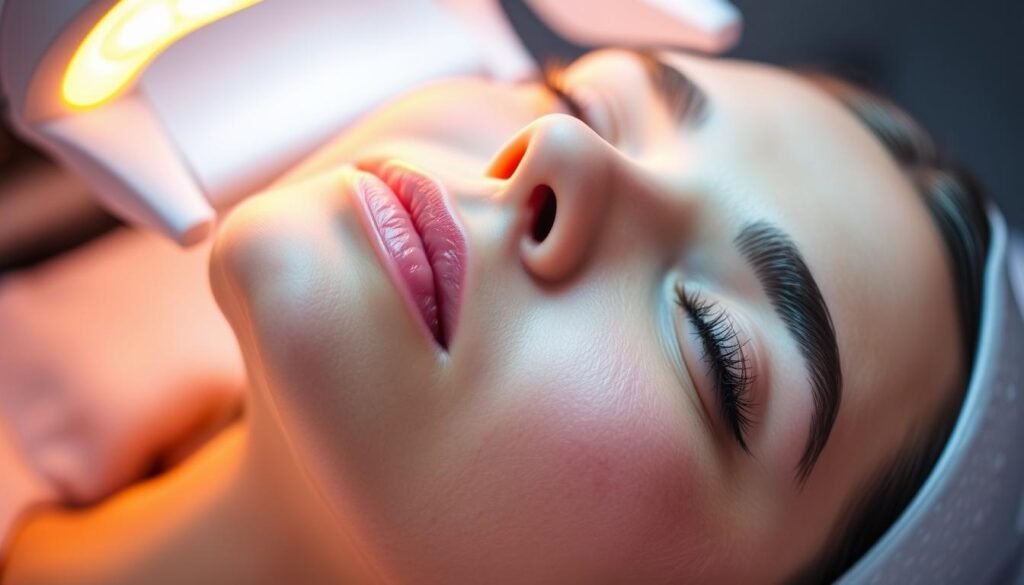
| Stage | Focus | Quick result |
|---|---|---|
| Consultation | Evaluation of skin and tone | Safe parameters set |
| Face toning & IPL | Collagen, pigment, blood vessels | Smoother texture, more even tone |
| Oxy infusion | Oxygenation and hydration | Fresh-looking skin, neater makeup |
Want advice for your own skin? Book a free consultation or ask us on WhatsApp.
What to prepare before treatment for the best results
Adjusting your routine a few days before treatment helps minimise skin reactions.
Stop irritating skincare and limit sun exposure
Temporarily stop products containing retinoids or acids a few days before the session. These ingredients can make the skin more sensitive when exposed to light energy.
Limit sun exposure and always use sunscreen with at least SPF 30 when you go out. Protected skin will arrive in a more stable condition.
Choose the right time: a short procedure, and you can carry on with your day
Choose a time that does not disrupt your daily activities. The short treatment time means many people fit it in during working hours.
If you have a particular skin condition, tell the therapist. Also report any medication that can make the skin photosensitive so the parameters can be adjusted.

- Arrive with a clean face without heavy makeup to speed up preparation.
- Share any history of allergies or previous procedures for safety.
- If you are taking photosensitising medication, consult first.
| Preparation | Reason | Practical Tips |
|---|---|---|
| Stop irritating skincare | Reduces the risk of excessive reactions | Stop 3-7 days before the session |
| Limit sun exposure | Prevents hypersensitivity | Use sunscreen every day |
| Report special conditions | Sets safe parameters | Share your history and medication |
| Choose a short slot | Practical and easy to fit in | Schedule it during a work break |
Skin care after a photofacial: protection, hydration, and daily habits
After the session, the main focus shifts to daily care steps that protect the results and prevent sensitivity. A short routine makes the skin comfortable again without long downtime.
Sun protection and your morning routine
Use sunscreen with at least SPF 30 every morning. Reapply during outdoor activities to keep the results stable and prevent UV damage.

Avoid irritation triggers in the first 48 hours
In the first 48 hours, avoid scrubbing, hot water, saunas, swimming, or strenuous exercise. This helps lower the risk of triggering inflammation and excessive reactions.
Hydration and barrier support at night
If your skin feels dry, choose a richer moisturiser so the barrier recovers faster. Use a night cream if your doctor recommends it to support the recovery process.
- Use gentle double cleansing and layered hydration for comfort.
- Makeup can be worn again once the skin feels comfortable; choose a light formula.
- Schedule your next session based on the doctor’s evaluation to optimise results.
| Focus | Action | Recommended Duration |
|---|---|---|
| Protection | Sunscreen SPF ≥30 + reapply | Every day |
| Preventing irritation | Avoid scrubbing, saunas, swimming | 48 hours |
| Hydration | Rich moisturiser; night cream as advised by the doctor | Ongoing as needed |
Safety, possible side effects, and who needs to be careful
Before deciding on a procedure, it is important to understand the potential risks and who needs to be cautious. This information helps you choose a suitable and safe method.
Redness, swelling, sensations, and sensitivity
Common side effects include redness for a few hours and mild swelling for a few days. A stinging sensation during the procedure is usually temporary.
Some people also report dry skin after the session. The skin becomes more sensitive to UV rays, so extra protection is a must.
Special conditions: allergies, active infection, and consulting a dermatologist
- Cancel the appointment if there is active infection, an open wound, or an allergic reaction in the area to be treated.
- Tell your doctor if you are pregnant, taking photosensitising medication, or have a history of chronic inflammation.
- Although a photofacial helps with mild to moderate concerns, it is not a substitute for medical therapy for serious conditions.
- Choose a trained operator at a beauty clinic and share your full history so the procedure is carried out safely.
For follow-up treatment options and comparisons, see the beauty treatments page.
Ready to try a photofacial now? Get cleaner, calmer, more radiant skin
If you are looking for an integrated method to reduce blemishes and support collagen production, this option is worth considering.
The range of technologies (laser toning, IPL/Alma Beauty Rejuve, and oxy infusion) is designed to be complementary. The short treatment (20-40 minutes) provides instant hydration and stimulates collagen production in the skin layers.
Studies show improvement in blemishes and hyperpigmentation of up to ~80% and an increase in elasticity of around 30% after several sessions. Results are gradual, so consistency is important.
Ready to start? A consultation with a doctor sets safe parameters. Keep up your sun protection and skincare routine so the results last.
FAQ
What is the difference between laser toning, IPL (face rejuvenation), and oxy infusion?
Laser toning focuses on collagen stimulation and oil control using controlled wavelengths. IPL targets melanin and haemoglobin, so it is effective for redness, dark spots, and texture in the epidermis and upper dermis. Oxy infusion provides hydration and pore oxygenation and helps serum absorption for a smoother look. The three are often combined for more comprehensive results.
How long does each session last and what does it feel like on the skin?
A session generally lasts 20-40 minutes. Sensations vary: there is a warm or mildly stinging feeling while the laser/IPL works and a cool sensation from the cooling gel. The initial reaction may be mild redness that settles within hours to a few days.
How effective is this treatment for active acne and acne marks?
The treatment can reduce inflammation, lower oil production, and help speed up texture improvement so marks even out faster. For active acne, the best results are achieved when combined with medical treatment and the right skincare routine.
Is this treatment safe for all skin tones?
Many modern technologies are safe for a range of skin tones, but evaluation by a doctor is still important. Some methods require parameter adjustments to reduce the risk of hyperpigmentation in darker skin.
What side effects might appear after the treatment?
Common side effects include redness, mild swelling, a hot sensation, and temporarily dry skin. Severe reactions are rare, but a prior consultation helps assess the risk, especially if you have allergies, active infection, or certain skin conditions.
What should I stop before having the treatment?
Stop irritating products such as strong AHA/BHA and topical retinoids, and avoid excessive sun exposure. The doctor will give guidance on how long before the session to stop certain products.
What is the post-procedure care for optimal results?
Protect your skin with at least SPF 30 sunscreen every day, and avoid scrubbing, hot water, saunas, and strenuous exercise for a few days. Use a moisturiser to support the barrier, and follow the doctor’s advice on creams or serums.
When can I wear makeup after the treatment?
Light makeup is usually safe to wear after 24 hours if there is no significant reaction. For optimal results and healing, wait for instructions from the clinic or your doctor.
How many sessions are needed to see changes in pores, texture, and fine lines?
Many people see improvement after 3-6 sessions depending on the initial skin condition, the interval between sessions, and the combination of technologies. Collagen production increases gradually, so maximum results appear several weeks to months after the course of therapy.
Can this treatment worsen hyperpigmentation or cause scarring?
There is a risk if the parameters are not right or if there is sun exposure after treatment. Evaluation by a doctor and strict sunscreen use reduce the risk. For sensitive skin or a history of hyperpigmentation, the technique needs to be adjusted.
Who should not have this treatment?
People with active skin infections, open wounds, moderate allergic reactions, or certain medical conditions such as healing disorders should consult first, and treatment may need to be postponed. Pregnancy or the use of photosensitising medication also needs to be evaluated.
Is this treatment suitable for dry and ageing skin?
Yes, the combination of collagen stimulation and oxy infusion helps hydration and elasticity and reduces fine lines. However, a moisturising routine and barrier support are still important for better results.
How do I choose the right clinic or doctor?
Choose a licensed dermatologist or aesthetic clinic with experience in laser/IPL technology. Ask about safety protocols, examples of patient results, and whether there is a pre-treatment consultation to assess your skin condition.
Do I need sunscreen every day even if I rarely go out?
Yes. Sun exposure does not only come from being outdoors; UVA rays pass through windows and can worsen hyperpigmentation. Use at least SPF 30 and reapply when needed to protect your treatment results.