This regenerative treatment works from within to improve skin texture and even out the surface of the face.
Rejuran Healer uses an active ingredient derived from salmon DNA that stimulates fibroblasts to form new collagen. The procedure is quick, with injections taking less than five minutes on average, and is carried out after 20-30 minutes of numbing cream for patient comfort.
The short downtime, usually 1-2 days, means many people can return to their activities within 36 hours. A typical plan involves 2-4 sessions; improvement is often visible after 1-2 sessions and optimal results appear within 2-3 months after the last session.
Our beauty clinic puts safety first: procedures are handled by experienced doctors with sterile standards and informed consent. The focus is on improving pitted scars and skin texture without making the face look overdone.
Key Points
- A biostimulator injection method that stimulates collagen from within the skin.
- A quick, comfortable procedure with topical anaesthetic.
- Short downtime; many patients are active again within 36 hours.
- A plan of 2-4 sessions; results appear gradually and last a long time.
- A good safety profile up to 2023, handled by doctors at an aesthetic clinic.
Why Rejuran Is Now a Go-To Treatment for Acne Scars
This solution stands out because it delivers real changes to the skin without disrupting your daily routine. The procedure is short, comfortable, and suits those who need fast results while staying productive.
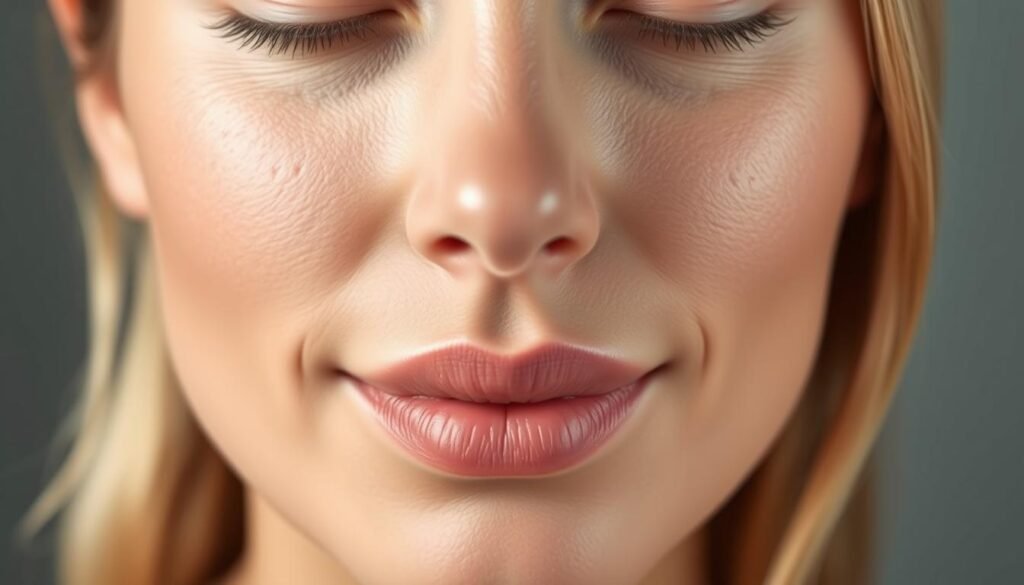
Fast-looking results with minimal downtime
Rejuran Healer provides texture improvement that is often visible after 1-2 sessions. The injection takes less than five minutes and topical anaesthetic is used for comfort.
Downtime is generally 1-2 days, with only redness or small spots that settle quickly. Because it works through regeneration, the effect feels natural and blends with your facial features.
Compared with laser: 1-2 days of recovery, back to activities quickly
Compared with ablative laser, this method has almost no downtime and carries a lower risk of side effects. Many patients return to work within 36 hours.
“The balance of results, comfort, and safety leads many people to choose this approach before trying aggressive procedures.”
- Advantages: short recovery, more flexible scheduling.
- Targeted: the doctor treats scarred areas precisely to reduce unwanted effects.
- Components: salmon DNA based polynucleotides trigger skin regeneration and increased collagen.
| Aspect | Rejuran Healer | Ablative Laser |
|---|---|---|
| Procedure time | <5 minutes | 20-60 minutes |
| Downtime | 1-2 days | several days to weeks |
| Risk of side effects | mild | higher |
| Initial results | 1-2 sessions | depends on the type of laser |
What Is Rejuran S/Healer and How Does It Work
Rejuran S is an injectable treatment designed to trigger biological repair in the skin. The main principle is simple: introduce active components that stimulate the natural repair process, then let the body build new structure.
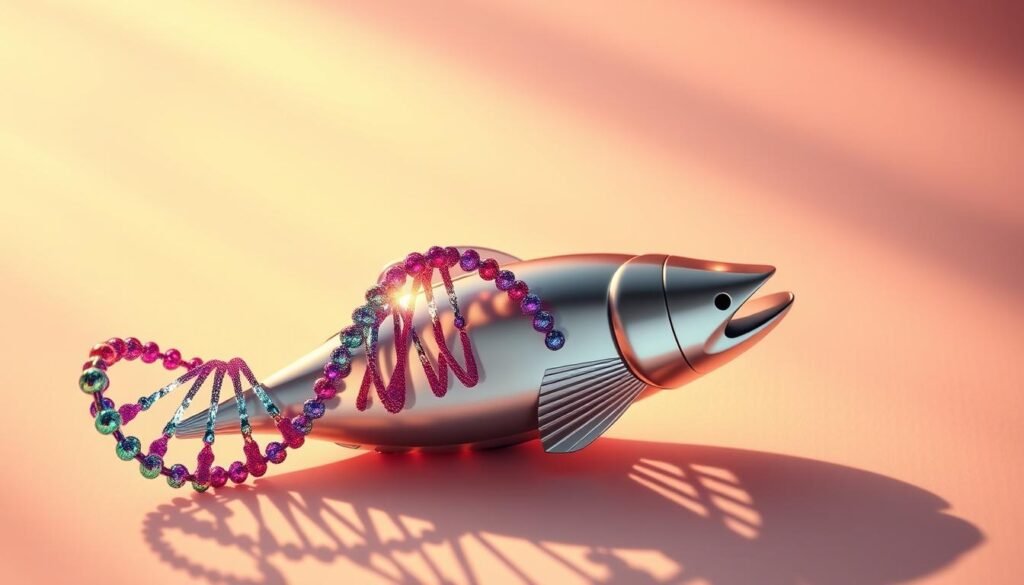
Active component: polynucleotides (PDRN) from salmon DNA
Rejuran Healer uses polynucleotides, or PDRN, derived from salmon DNA. This component acts as a biological signal to drive regeneration and support the skin’s healing process.
Fibroblast stimulation: collagen and elastin for skin tissue regeneration
When injected into the dermis, PDRN molecules stimulate fibroblasts. These cells then produce collagen and elastin, so the skin’s structure becomes stronger and its texture more even.
Different placement: dermis vs sub-dermis (compared with filler)
Unlike filler, which sits in the sub-dermis as a temporary filling, this product is placed in a higher layer. Targeting the dermal skin layer allows long-term improvement without dramatically changing the contours of the face.
- The effect is gradual, depending on the immune response and collagen formation.
- It has anti-inflammatory properties that support wound healing and reduce inflammation.
- It is designed to improve skin quality and naturally reduce the appearance of scars.
Who Is the Best Candidate: Acne Scar Types That Respond Best
The depth of the scar and the loss of volume in the skin tissue determine how it responds to regenerative treatment.
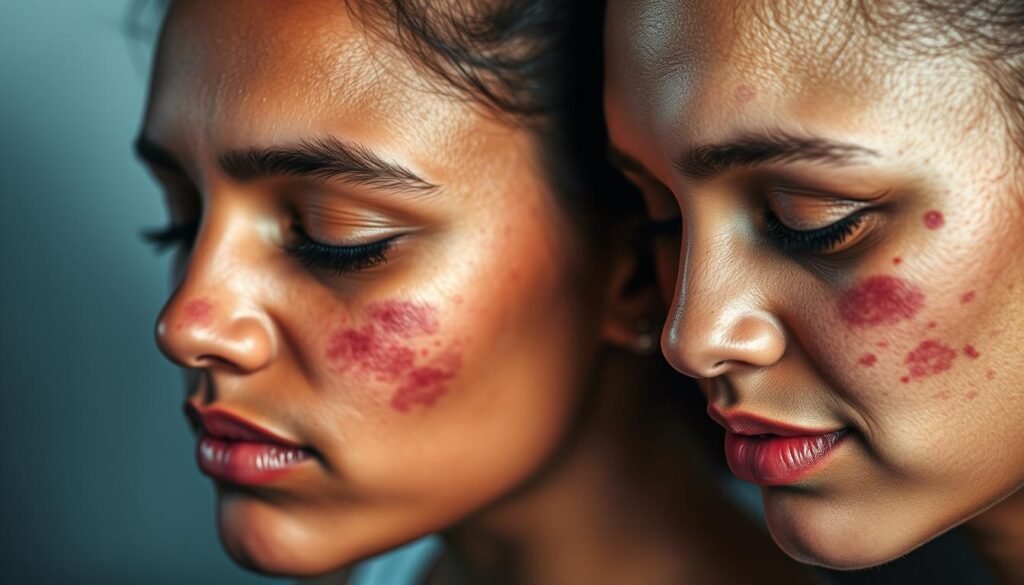
Suitable for
The best indication is shallow atrophic scars with little volume loss. This treatment targets improved skin quality and collagen stimulation.
- Shallow atrophic scars that are not too deep.
- Mild boxcar scars where the skin surface is still relatively intact.
- Shallow rolling scars spread across the face.
Not ideal for
Scar types with major volume loss or significant depth are often less responsive to Rejuran treatment alone.
- Ice pick scars and very deep pitted scars.
- Deep rolling scars or subdermal atrophy that require volume restoration.
- Cases with septal tissue that needs to be released.
| Scar Type | Response | Additional Recommendation |
|---|---|---|
| Shallow atrophic | Good | Regenerative treatment alone |
| Mild boxcar | Optimal | Biostimulator treatment + maintenance |
| Ice pick / deep rolling | Limited | Subcision, TCA CROSS, laser, or filler |
“A thorough evaluation of scar type, depth, and skin condition helps set a realistic plan.”
Rejuran for acne scars: a realistic treatment plan
A gradual approach to treatment ensures the skin tissue has time to repair itself. The plan is based on the degree of scarring and the size of the area, so the target results are realistic.
Number of sessions and duration
The general recommendation is 2-4 sessions, a few weeks apart so collagen can form. Many patients start to see improvement after 1-2 sessions.
The injection itself is short, about 5 minutes per session. The whole visit usually takes longer because of 20-30 minutes of topical anaesthetic and skin preparation.
- The doctor creates a personalised Rejuran treatment plan based on skin thickness and scar depth.
- Dosage and product are tailored; there is no one-size-fits-all approach.
- Progress is evaluated at each visit so the strategy can be adjusted.
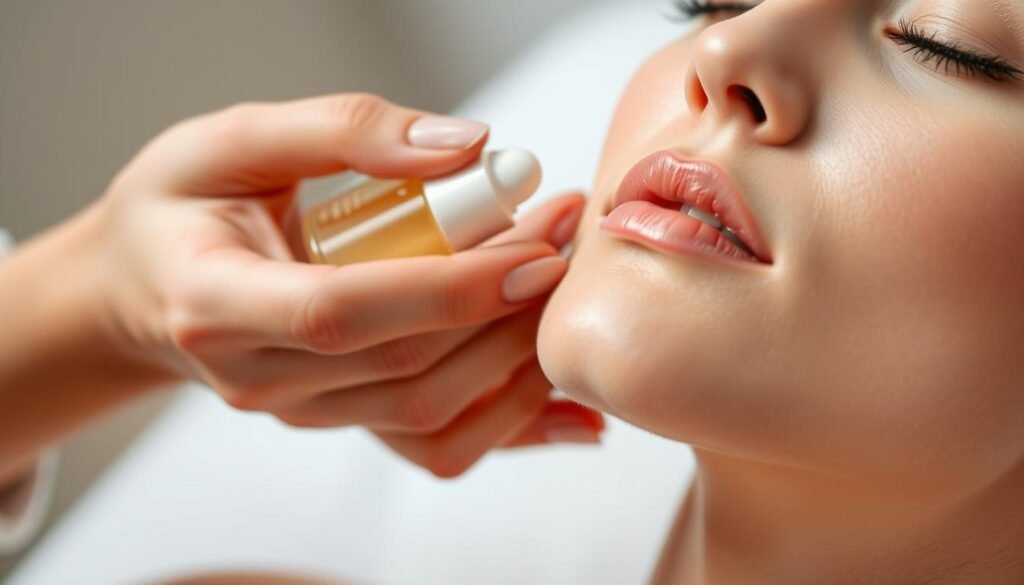
“A realistic plan prioritises safety, comfort, and long-term results.”
| Aspect | Recommendation | Notes |
|---|---|---|
| Number of sessions | 2-4 times | A few weeks between sessions |
| Procedure time | ~5 minutes | Plus 20-30 minutes of anaesthetic |
| Initial results | 1-2 sessions | Optimal 2-3 months after the final session |
Clinic Service Flow: Consultation, Preparation, and Procedure
At the clinic, every step of the service is designed so patients know what happens from start to finish. The process begins with a brief but thorough evaluation to make sure the treatment plan is right.
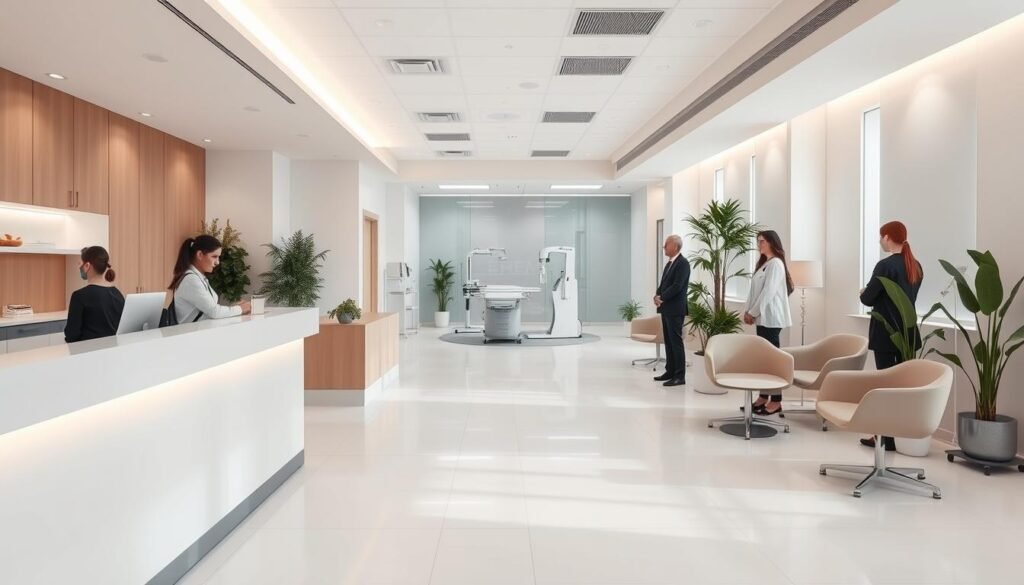
Consultation and evaluation
In the first session, the doctor evaluates your skin condition and scar type and maps out the target areas. The tissue volume needed is also calculated to determine dosage and frequency.
Preparation and anaesthesia
Before the procedure, the medical staff cleanse the skin thoroughly. Topical anaesthetic is then applied for 20-30 minutes to reduce discomfort.
Micro-injection process
The technique uses micro injections to place the material evenly into the dermal layer. The procedure is quick, well tolerated, and minimally invasive.
- Health history and medication are checked for safety.
- Documentation photos are taken to monitor progress.
- The doctor gives aftercare instructions and schedules the next session.
“Two-way communication helps patients feel safe and understand each step of the treatment.”
| Step | Duration | Details |
|---|---|---|
| Consultation & evaluation | 10-20 minutes | Skin assessment, target areas, contraindications |
| Preparation & anaesthesia | 20-30 minutes | Cleansing and application of anaesthetic gel |
| Micro-injection | <5 minutes | Injections into the dermis, well tolerated |
| Aftercare | 5-10 minutes of instructions | Home care, photos, rescheduling |
Injection Technique: Papule Technique vs Cannula
The choice of injection technique determines how the product is distributed and how comfortable the treatment feels. The doctor chooses the method based on the clinical goal, skin thickness, and the pattern of pitted scars to be corrected.
Microinjection (papule)
Microinjection uses injection points about 1 cm apart to distribute the product evenly across the target surface.
Each point creates a small papule, which is normal after injection and usually disappears within 24-48 hours as the material is absorbed into the skin layer.
Cannula
The cannula technique requires fewer punctures, which minimises bruising and swelling in sensitive areas.
This method is ideal for thin areas under the eyes or zones prone to bruising, while still delivering the improvement effect in the target layer.
- Measured distribution: papules spread the product evenly across the surface.
- Pain & trauma: a cannula reduces the number of punctures and the potential for bruising.
- Salmon DNA based products are compatible with both techniques to support regeneration.
- The choice of technique is tailored to the type of scar and the target area.
- Safety: aseptic protocols and dose control keep every injection consistent.
The doctor explains Rejuran Healer and the Rejuran treatment options to determine whether papule or cannula is more suitable for your skin’s needs.
Results, Timeline, and Longevity
Treatment results are often seen little by little, with peak improvement a few months after the series of sessions. Most patients report changes after 1-2 sessions, while optimal results appear within 2-3 months after the last session.
When results are visible
The results journey is progressive: skin texture starts to improve after 1-2 sessions. These changes keep developing until they peak at around 2-3 months.
Permanent vs temporary
A biostimulator provides correction through collagen regeneration, so the improvement tends to be stable once the tissue has been rebuilt. This differs from filler, which works as a “putty” in the sub-dermis and usually breaks down within 1-4 years.
- The effect feels natural and long-lasting because of increased dermal thickness.
- Filler is still useful if significant additional volume is needed.
- How long results last depends on each person’s biological response; many patients do not fully return to their original condition after the cycle ends.
- A consistent treatment schedule helps maintain the momentum of collagen formation.
“Progressive improvement gives natural results without dramatic instant changes.”
| Aspect | Biostimulator (Rejuran Healer) | Filler |
|---|---|---|
| Mechanism | Collagen stimulation and skin regeneration | Sub-dermal volume filling as a temporary material |
| When visible | 1-2 sessions, peak at 2-3 months | Almost instant, changes visible immediately |
| Longevity | Stable in the long term once collagen has formed | Breaks down in 1-4 years, needs repeating |
| Role | Improves skin quality and texture | Adds volume and contour |
Safety, Side Effects, and Downtime
Before scheduling a session, it is important to understand the possible effects and recovery time. This information helps you choose a skin treatment with more confidence.
Safety profile and common effects
Rejuran Healer has a good safety record up to 2023; no nodules, occlusion, or severe reactions have been reported. Any effects are usually mild and temporary.
- Redness, slight swelling, or bruising that disappears within 24-48 hours.
- Post-inflammatory hyperpigmentation is rare, but needs prompt treatment if it appears.
- This product supports healing and regeneration without an “overfilled” effect.
Downtime, aftercare, and restrictions
Downtime is usually 1-2 days; many patients return to their activities within 36 hours. The doctor will recommend cold compresses, no saunas, and supportive skincare for a few days.
| Aspect | Summary | Notes |
|---|---|---|
| Serious risk | Low | No reports of nodules/occlusion up to 2023 |
| Side effects | Mild | Redness/bruising for 24-48 hours |
| Follow-up care | Required | Control active acne to optimise regeneration |
“Scheduled follow-ups ensure every skin reaction is monitored and the treatment is adjusted by the doctor.”
Combination Treatments for Maximum Results
A multimodal approach speeds up remodelling and improves transitions in the skin tissue. The plan is based on scar type, depth, and volume needs.
Synergy with Other Modalities
Subcision releases the tissue that tethers the surface, then injection of a biostimulator product complements it by improving dermal quality.
RF microneedling and laser resurfacing stimulate remodelling of the epidermis and dermis. The bioactive components of Rejuran treatment support this process through regeneration.
Where there is significant volume loss, filler is used selectively to restore contour. Techniques such as TCA CROSS are effective for ice pick scars, while regenerative treatment smooths the surrounding area.
“A combined plan is tailored to keep downtime minimal and aesthetic results maximal.”
| Modality | Role | Notes |
|---|---|---|
| Subcision | Releases tissue bands | Combined with a biostimulator for optimal results |
| RF microneedling | Remodelling of the dermis & epidermis | Adjust energy according to the response at each session |
| Laser resurfacing | Improves surface texture | Combine when the skin is ready for energy-based treatment |
| TCA CROSS | Closes localised ice pick scars | Requires evaluation of the depth of each point |
- The doctor maps the skin tissue’s needs and decides the order of procedures.
- The treatment can be done on its own or as part of a structured scar revision programme.
Conclusion
A biostimulator approach delivers improvement that develops along with the skin’s natural healing process. Rejuran Healer offers a combination of short treatment and minimal downtime, with results that last once the collagen and elastin cycle in the dermal layer has formed.
For superficial acne scars, this can be the main solution. Deeper cases often need a combination strategy, for example subcision, TCA CROSS, or filler to restore volume.
The salmon based bioactive components work together with the healing mechanism rather than simply covering the surface. The doctors at our beauty clinic will create a personalised plan so your face looks smooth and natural.
If your goal is long-term benefit for skin quality, discuss your condition and treatment options. Schedule a consultation to decide the right sequence of procedures and take the first step towards healthier skin and restored confidence.
FAQ
What are the main benefits of salmon DNA polynucleotide/PDRN treatment for acne scars?
These active components stimulate fibroblasts to produce collagen and elastin, repairing skin tissue and improving surface texture. Results usually look smoother, with increased tissue volume, without using traditional filler.
How quickly are results visible and how long is the downtime after treatment?
Initial improvement can appear after 1-2 sessions, with optimal results within 2-3 months after the last treatment. Downtime is short, generally 1-2 days of redness or mild swelling, so patients quickly return to their activities.
Who is best suited to this treatment for acne scars?
The best candidates have shallow atrophic scars, mild boxcar scars, or shallow rolling scars. For ice pick scars, deep rolling scars, or severe subdermal atrophy, a combination with subcision, TCA CROSS, or laser is usually needed.
How many sessions are recommended and how long does each procedure take?
Usually 2-4 sessions are recommended, depending on severity and skin response. Each session is short, with the procedure taking about 5-15 minutes, not including 20-30 minutes of topical anaesthetic if needed.
How does the clinic procedure work from consultation to injection?
It starts with a consultation with a doctor or trained nurse to evaluate skin type, area, and tissue volume. The skin is prepared and topical anaesthetic is applied. Micro-injections are then made into the dermal layer and are generally well tolerated.
How is the placement of this product different from filler?
This product is placed in the dermis to stimulate tissue regeneration, while filler is usually placed in the sub-dermis to add volume directly. The aim is biostimulation rather than an instant “putty” effect.
Which injection technique is used more often: papule or cannula?
Microinjection (papule) is often used with points about 1 cm apart, producing small bumps that disappear within 24-48 hours. A cannula is chosen to reduce the number of punctures and minimise bruising in sensitive areas.
Is this treatment safe and what side effects might appear?
Its safety profile is good, with a low risk of nodules or occlusion. Common side effects include redness, swelling, and mild bruising, which are usually temporary. A pre-procedure consultation is important to assess allergy history and contraindications.
Can this treatment be combined with other therapies for better results?
Yes. Combinations are often recommended for moderate to severe cases, for example subcision, RF microneedling, laser resurfacing, or TCA CROSS for more complete improvement of texture and contour.
Are the results permanent or do they need regular repeating?
The regenerative effect is long-lasting but not fully permanent because of the ageing process. Many patients choose periodic maintenance sessions to keep their results. For major structural changes, combined treatments may be needed.